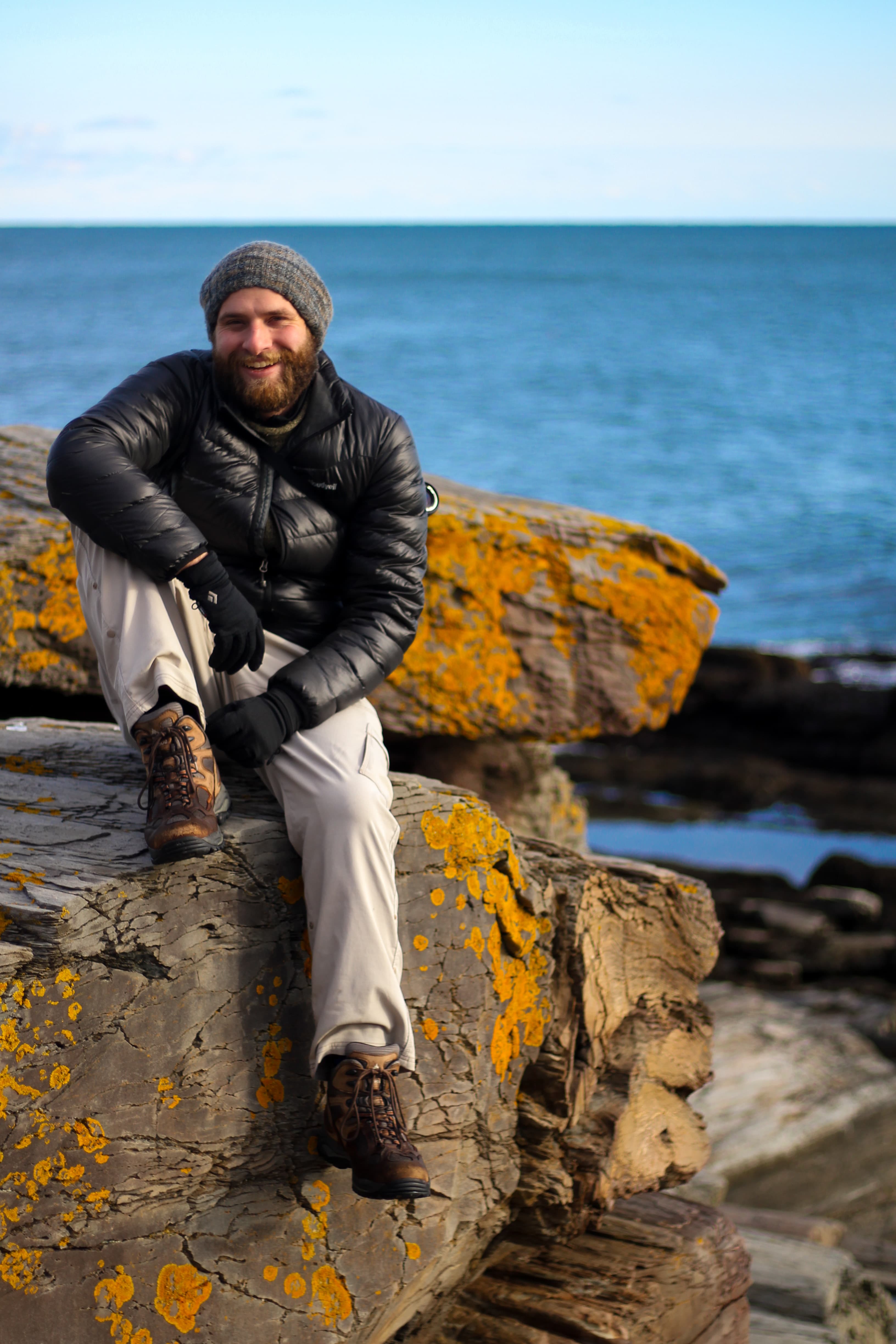
I'm Ryan Adkins, a photographer based on Whidbey Island in Langley, Washington. I come from a background in farming and small business — which means when I photograph a farm, a builder's completed project, or a local business, I understand what makes their work worth showing off.
Most of my best shots come from paying attention to what's already there. A detail no one thought to point out. Light at a time of day that was worth waiting for. The difference between a photo that could have been taken anywhere and one that could only have been taken of your work.
My process is usually unhurried. I'll walk a site before I start shooting, get a sense of what matters most, and work through it methodically. I ask a lot of questions early so we're not making decisions on the fly. Most jobs end with something in the frame we didn't plan on, and those are usually the best ones.
I work with custom home builders and contractors, farms and growers, artists and small businesses across the island and beyond. Portraits and personal projects too.
Available for commissions on Whidbey Island and throughout the greater Puget Sound area. If you have something worth documenting, I'd love to hear about it.
Prints — coming soon
I photograph custom homes and residential construction projects, working closely with builders and contractors to document their work at its best — and help them show it off. I also work with local farms, artists, and small businesses across Whidbey Island, creating images that tell their story and bring in new customers. Portraits and personal projects welcome too.
Most projects start with a conversation — to understand what you're building or growing, what you want to show, and when to schedule around the best conditions. From there, I handle the rest.
All enquiries welcome.
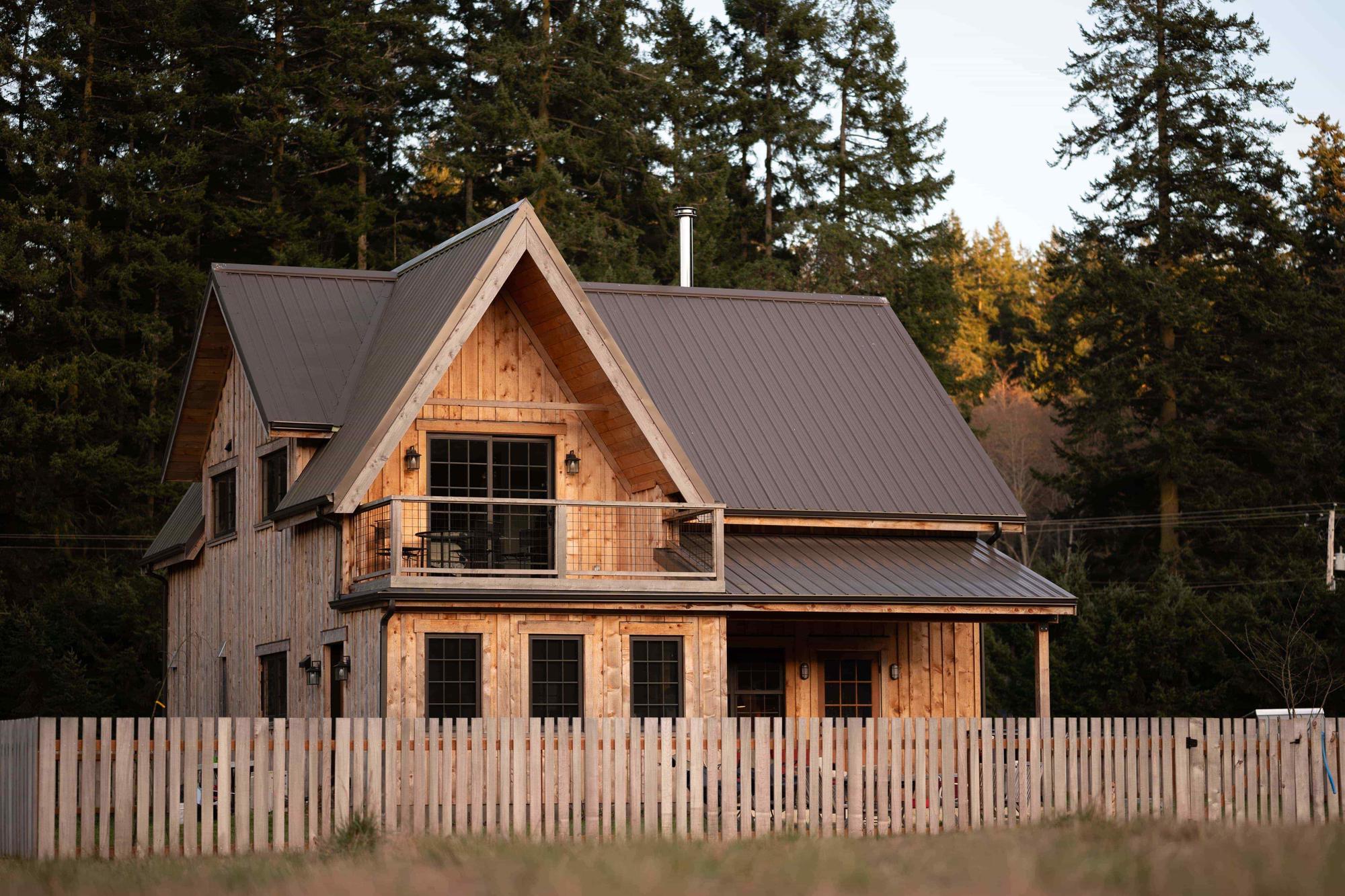
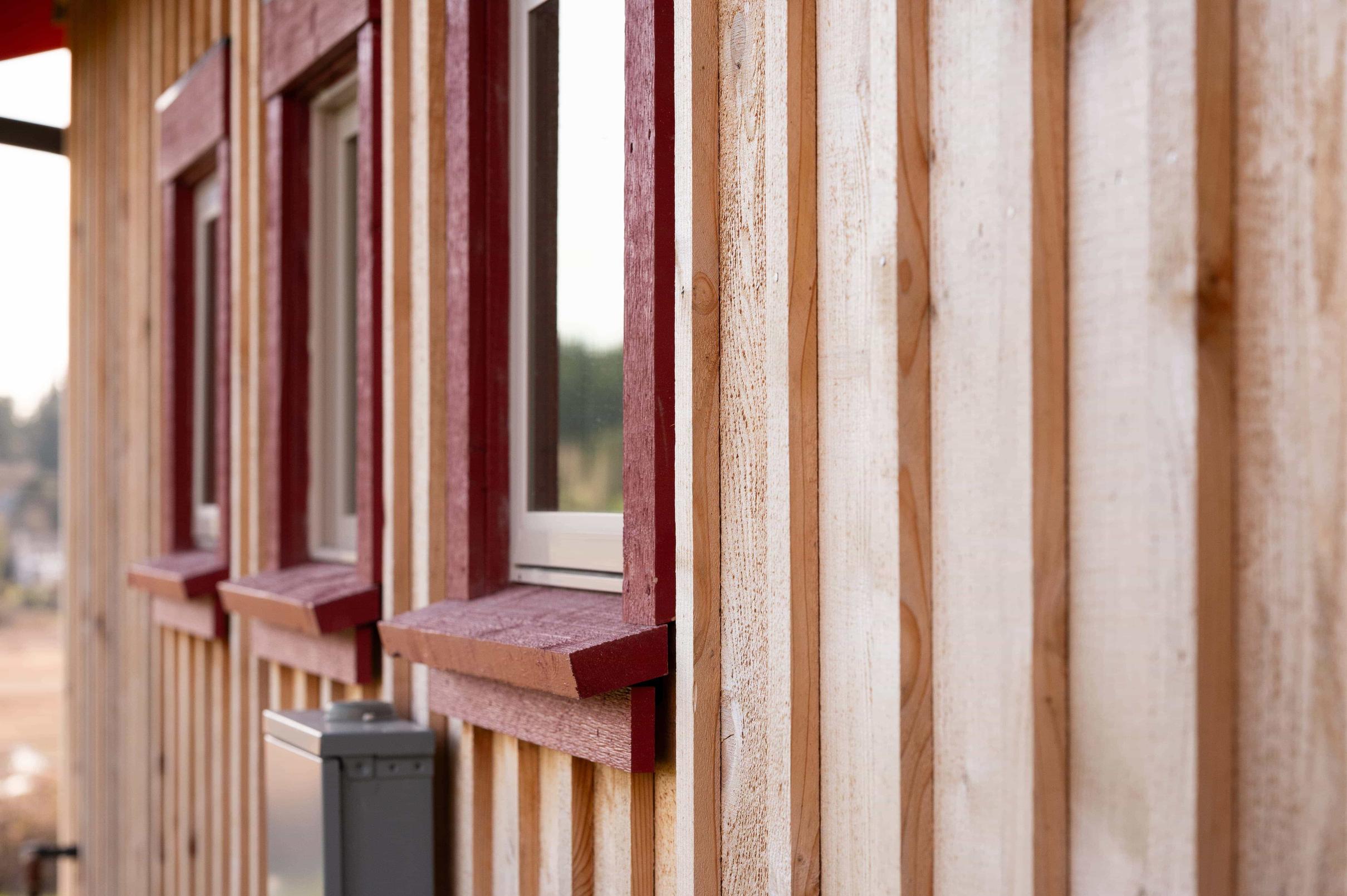
Casey Whitmer builds full custom homes from the ground up — framing, finish work, the whole thing. When he brought me on to photograph a round of recent projects, the brief was something like: get the details, not just the wide shots. He wanted photos that show what the work actually is, not just what it looks like from the driveway.
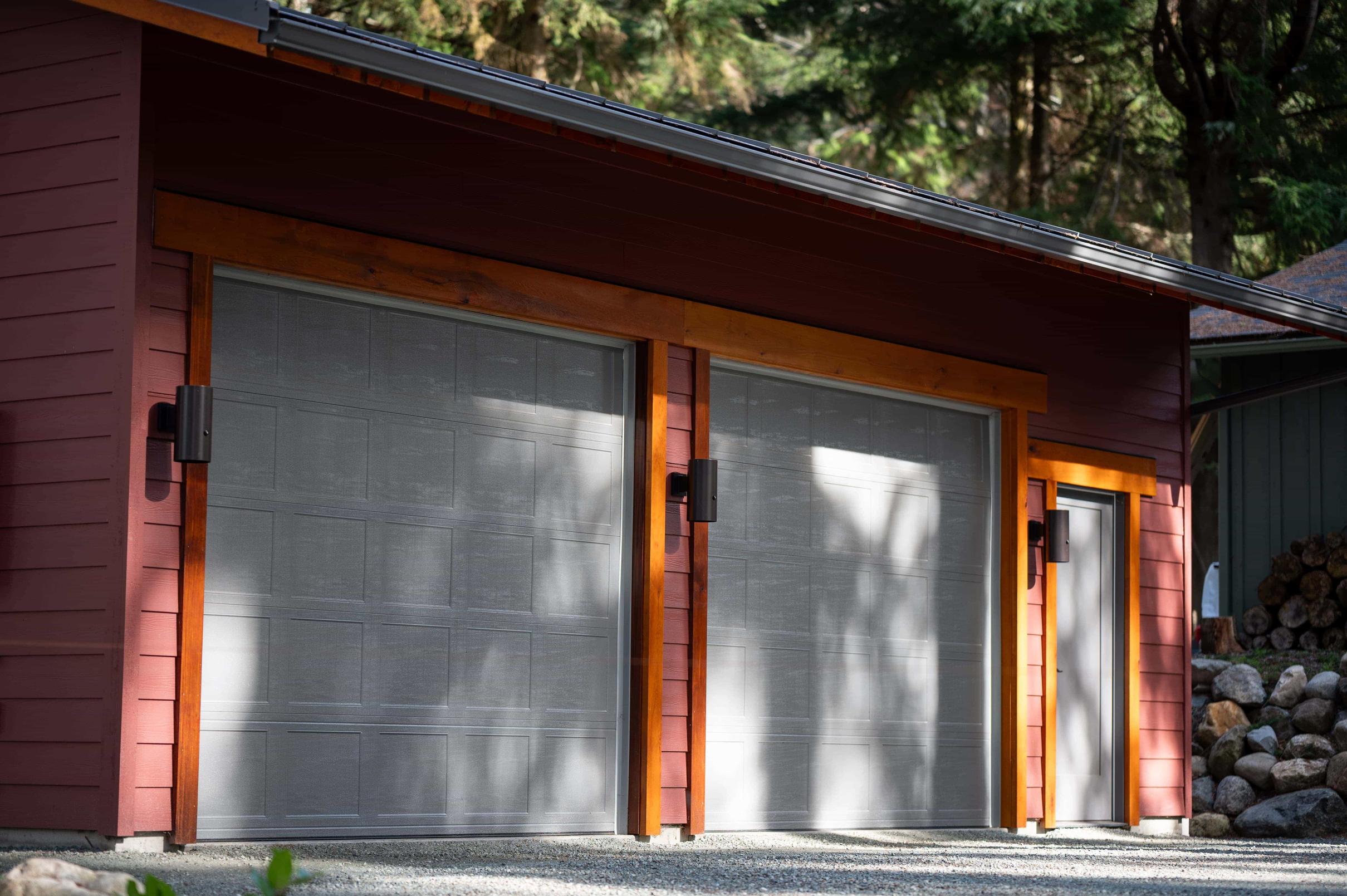
We planned two days across four sites: a garage built to match a client's existing home, a home studio on a local farm, a partial remodel with some interesting interior work, and Casey's own property — a full home and barn he'd been building alongside his client projects.
Day one was the tighter of the two. We were working against the clock from the start, chasing good light across multiple locations with client access windows that didn't leave much room to wait anything out. The garage was the one that got away from us a little — it sat in the shadow of the surrounding trees by the time we arrived, and we didn't have the runway to hold for dusk. We got what we could and moved on. That's how it goes sometimes.
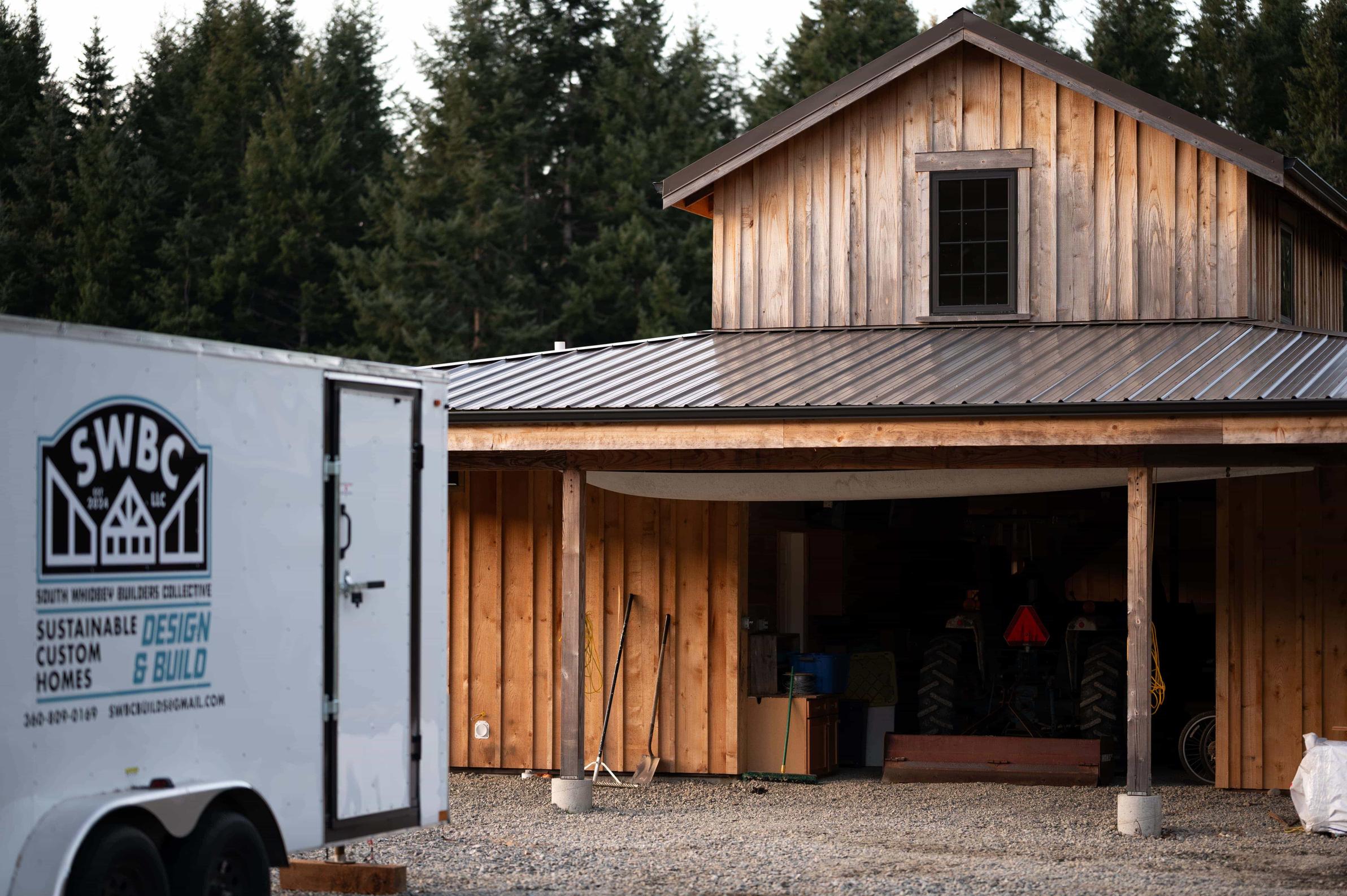
Day two was Casey's own place, and it was the standout of the shoot. The house sits in the middle of a field — no canopy, no shade, just open sky. That sounds great until you're out there at noon with full sun blowing out every surface. We waited. Made some coffee, walked the property, talked through the barn shots. By the time the light started to drop and warm up, we had the angles we wanted.
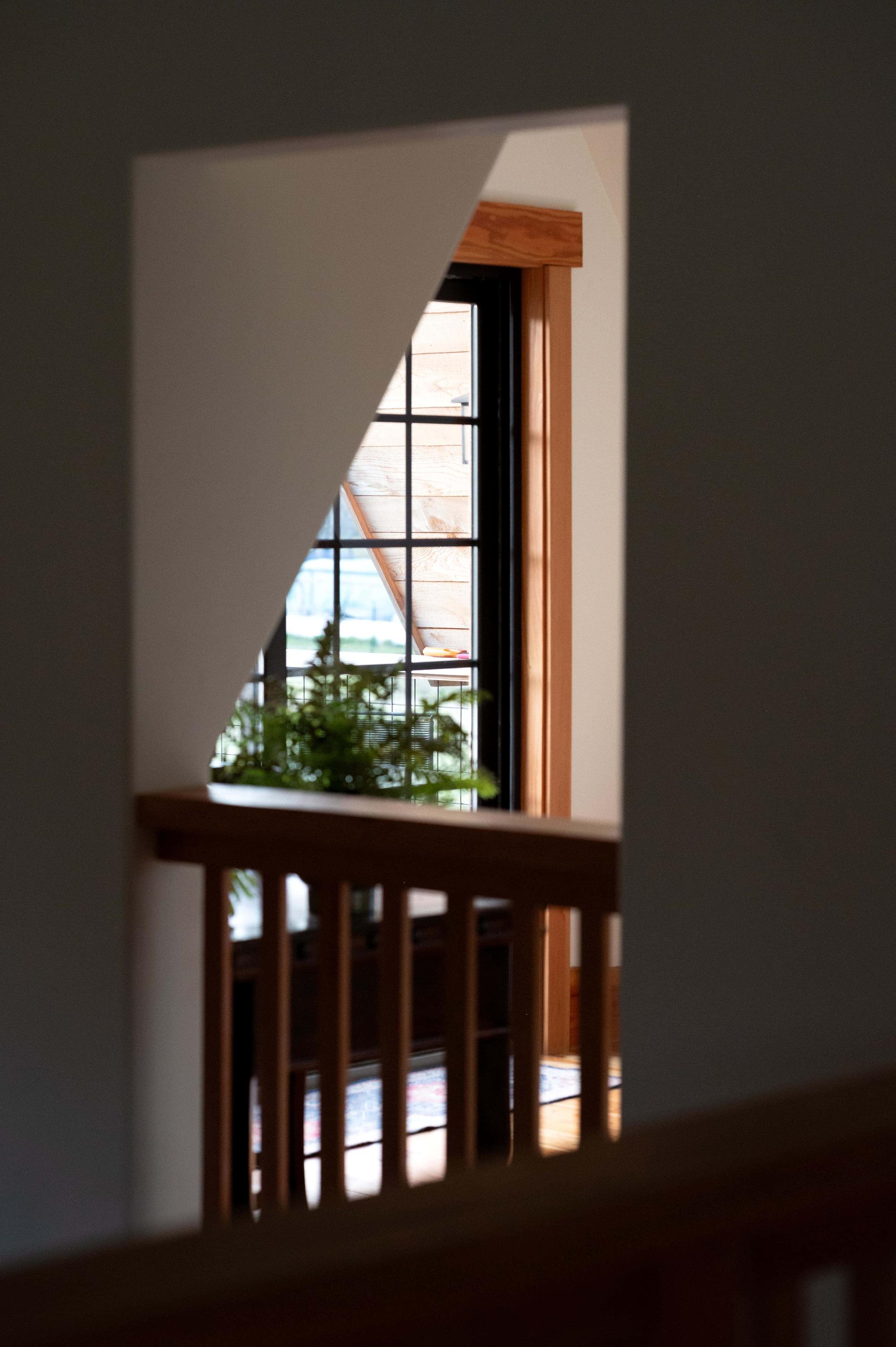
The interiors happened as the sun was going down, light cutting through the windows at a low angle. The kind of light that does half the work for you.
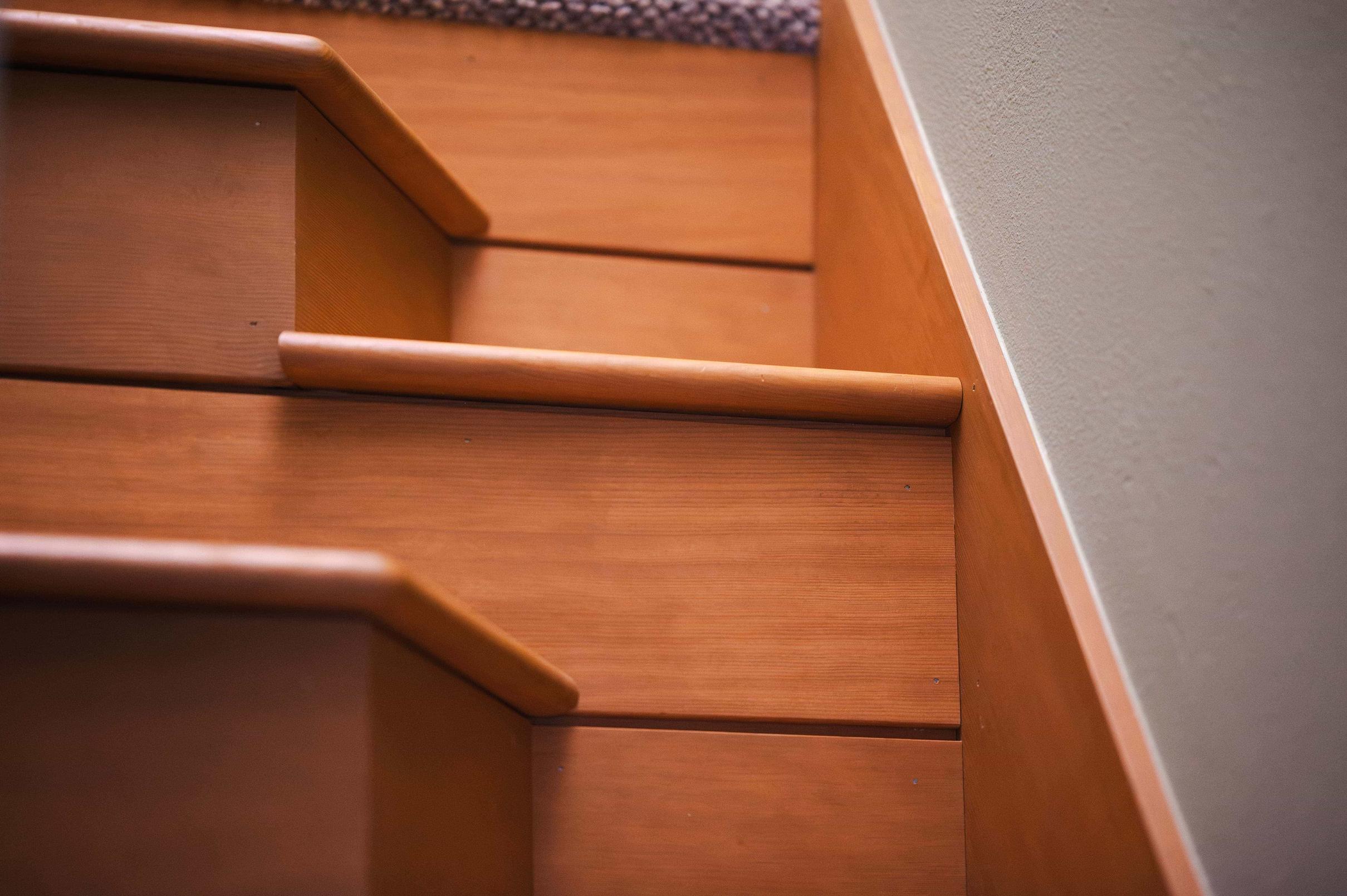
Casey's work is detail-oriented throughout. The small decisions — how a corner meets, how a staircase is framed, the way the siding wraps a transition — are clearly considered on every job. That makes it satisfying to photograph. You're not hunting for something interesting. It's already there.
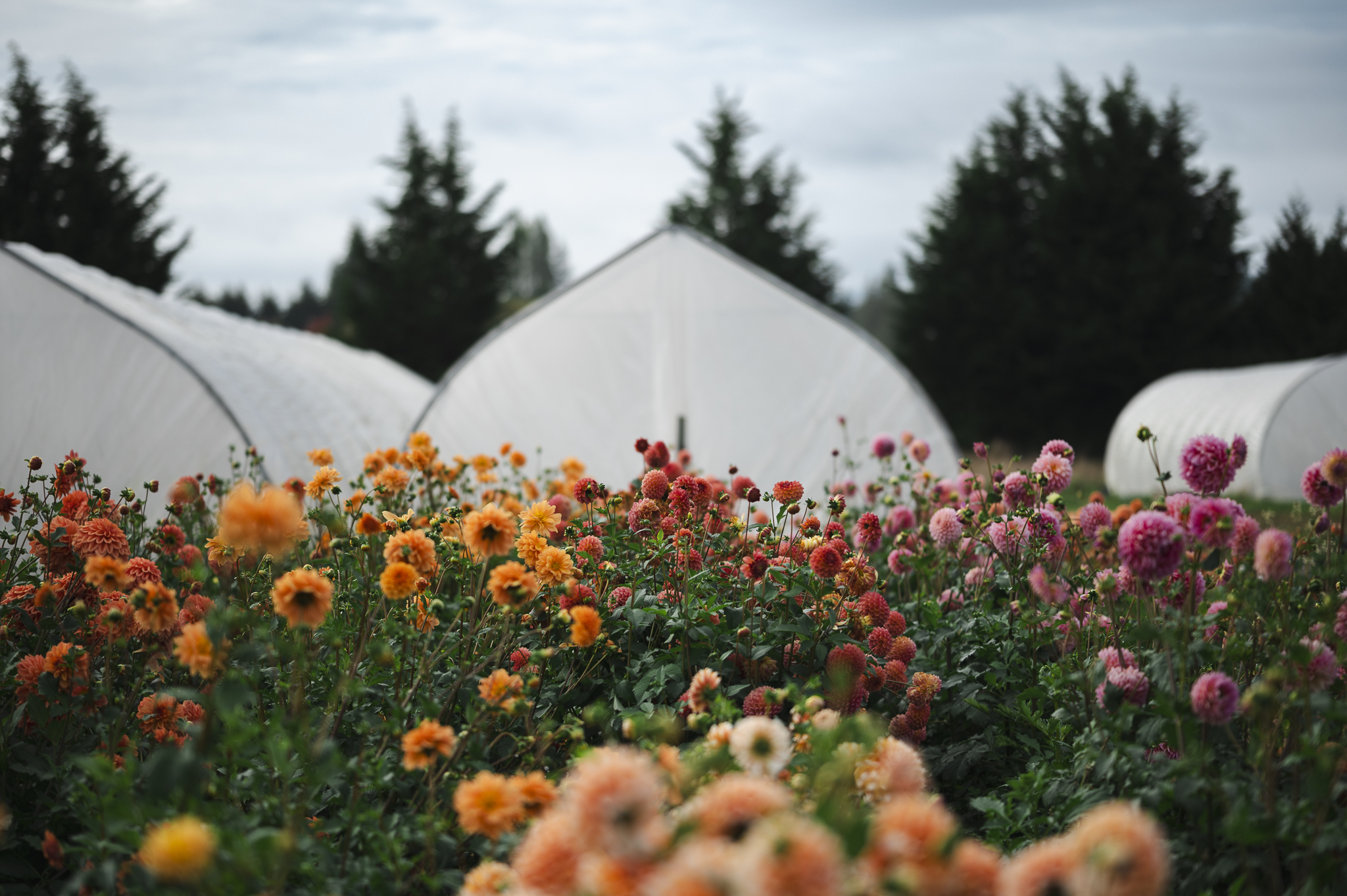
Walking through a half-acre of dahlias on Whidbey in late September, you start to notice the shift. The days are getting shorter. The mornings carry a colder edge. That shoulder-season feeling settles in between the rows.
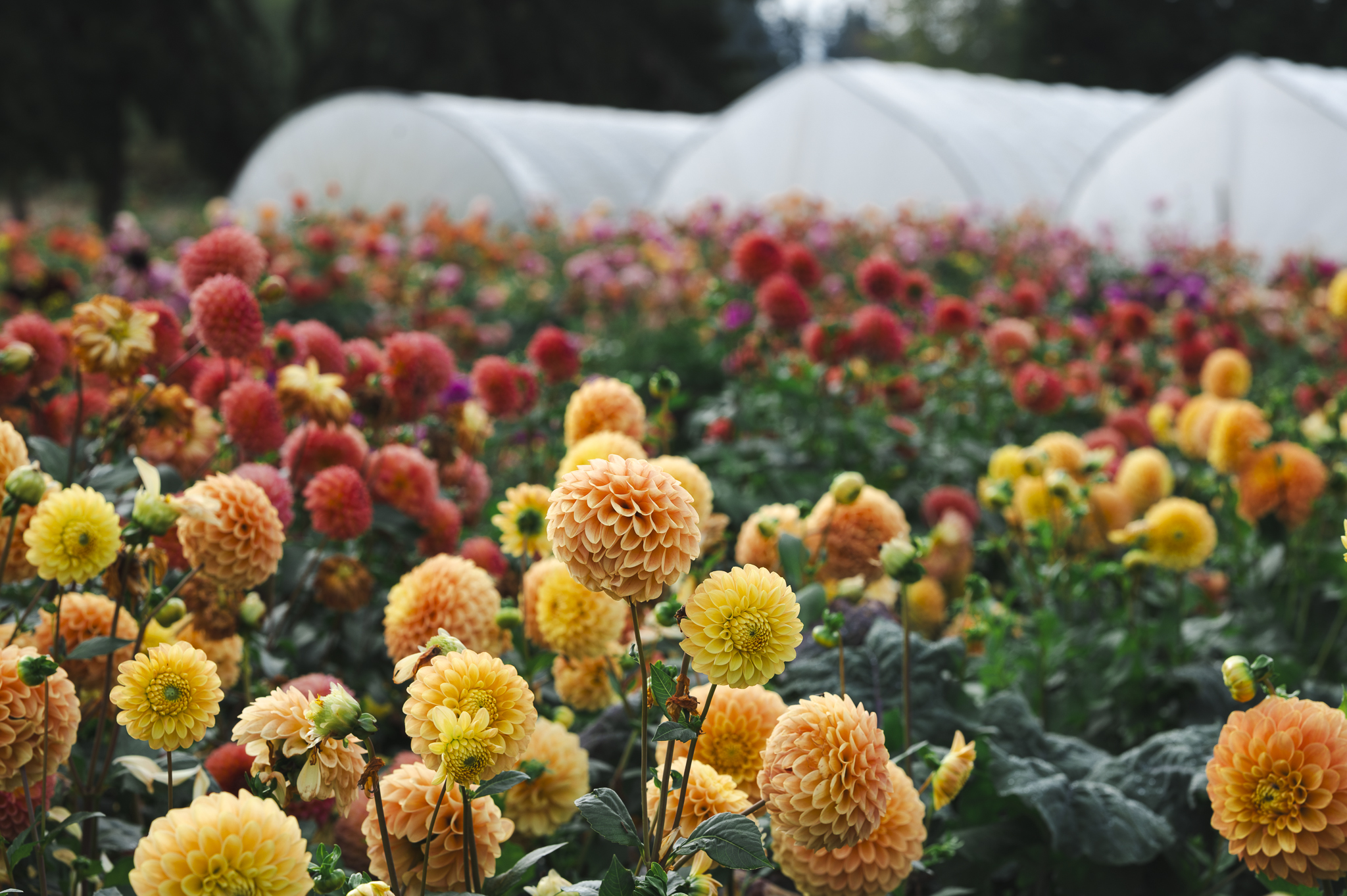
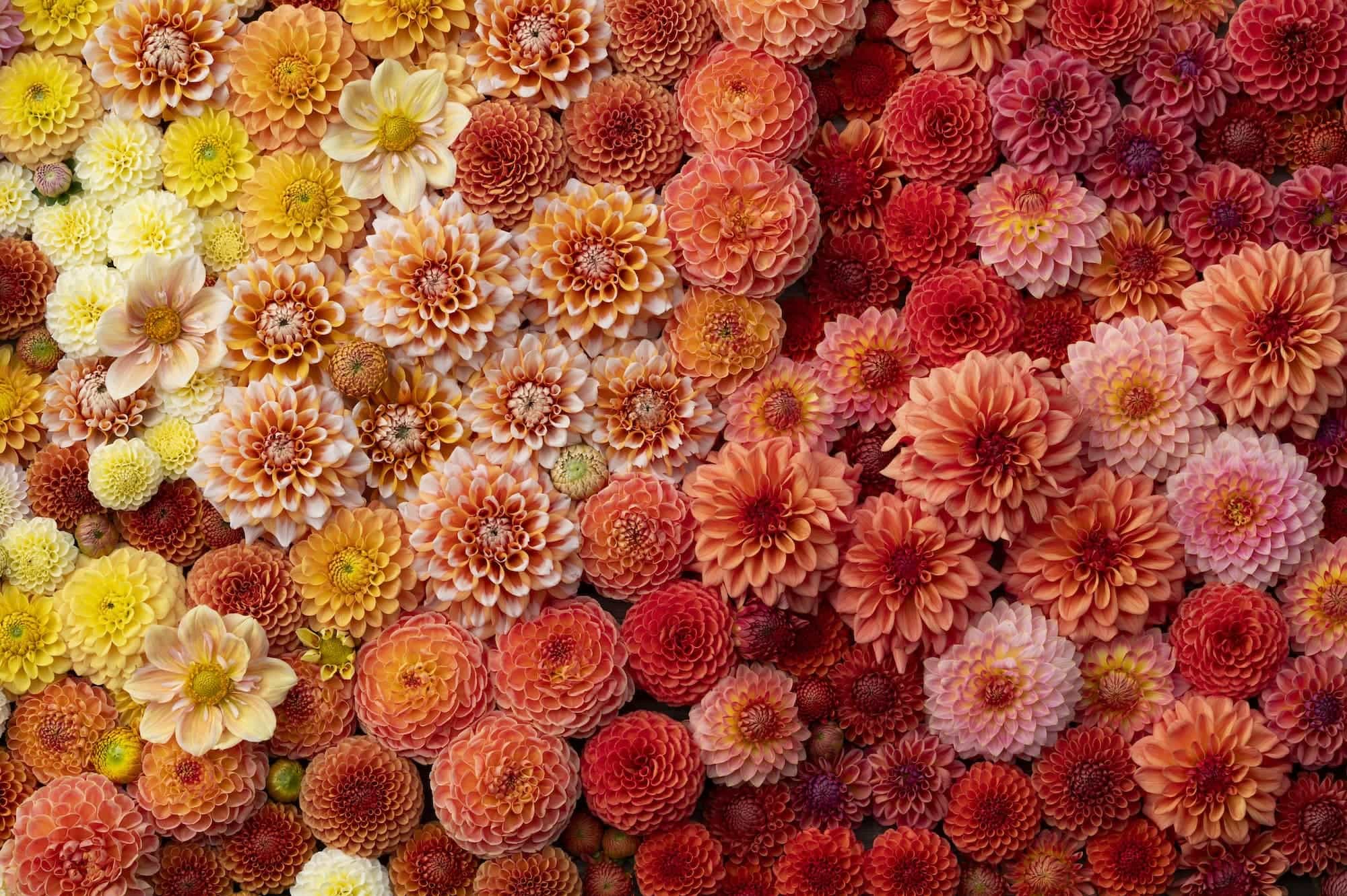
One row of deep reds and burnt oranges, the occasional burgundy. Another row of bright yellows, brilliant whites, and iridescent pinks. A different season in each row.
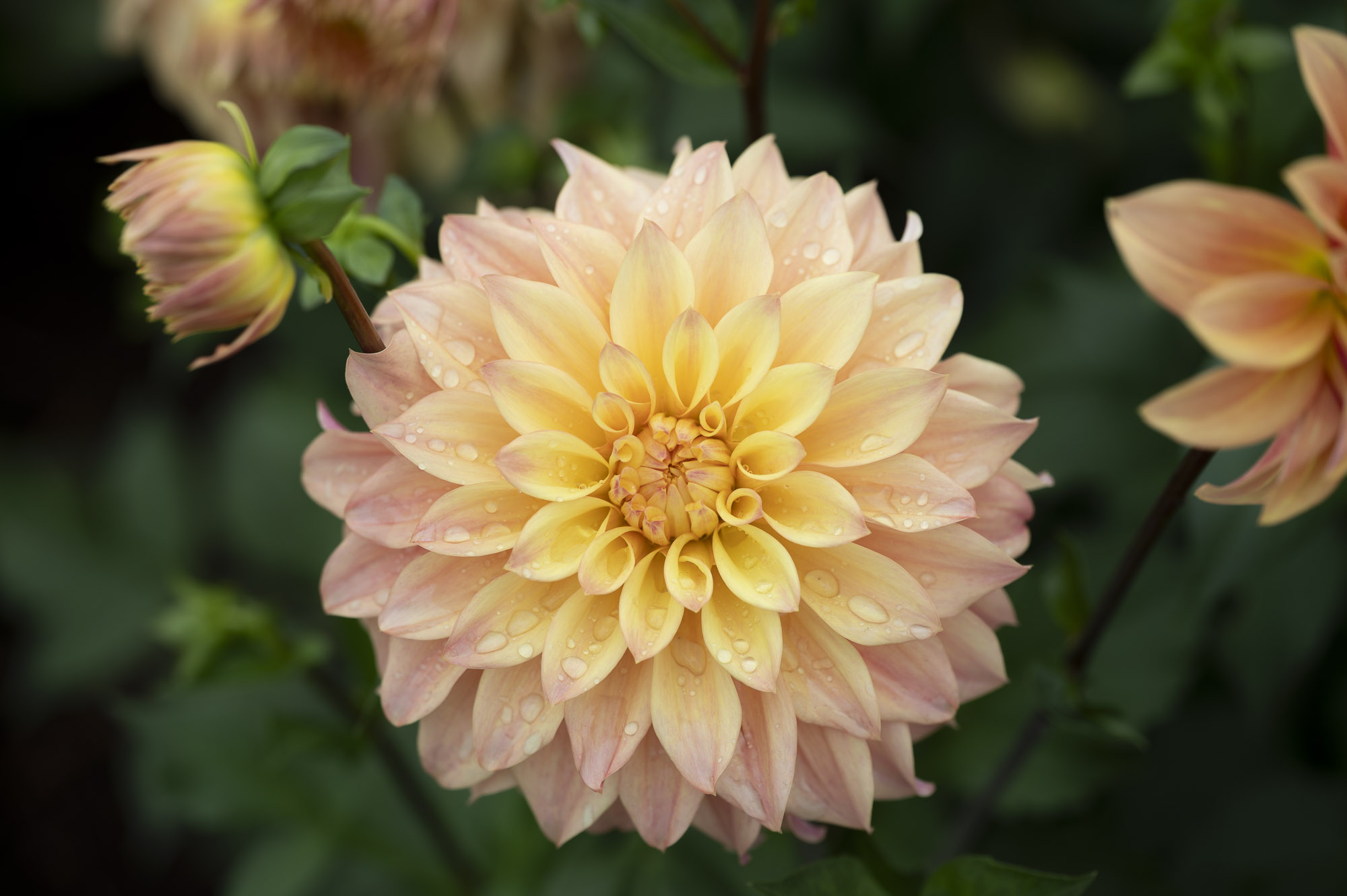
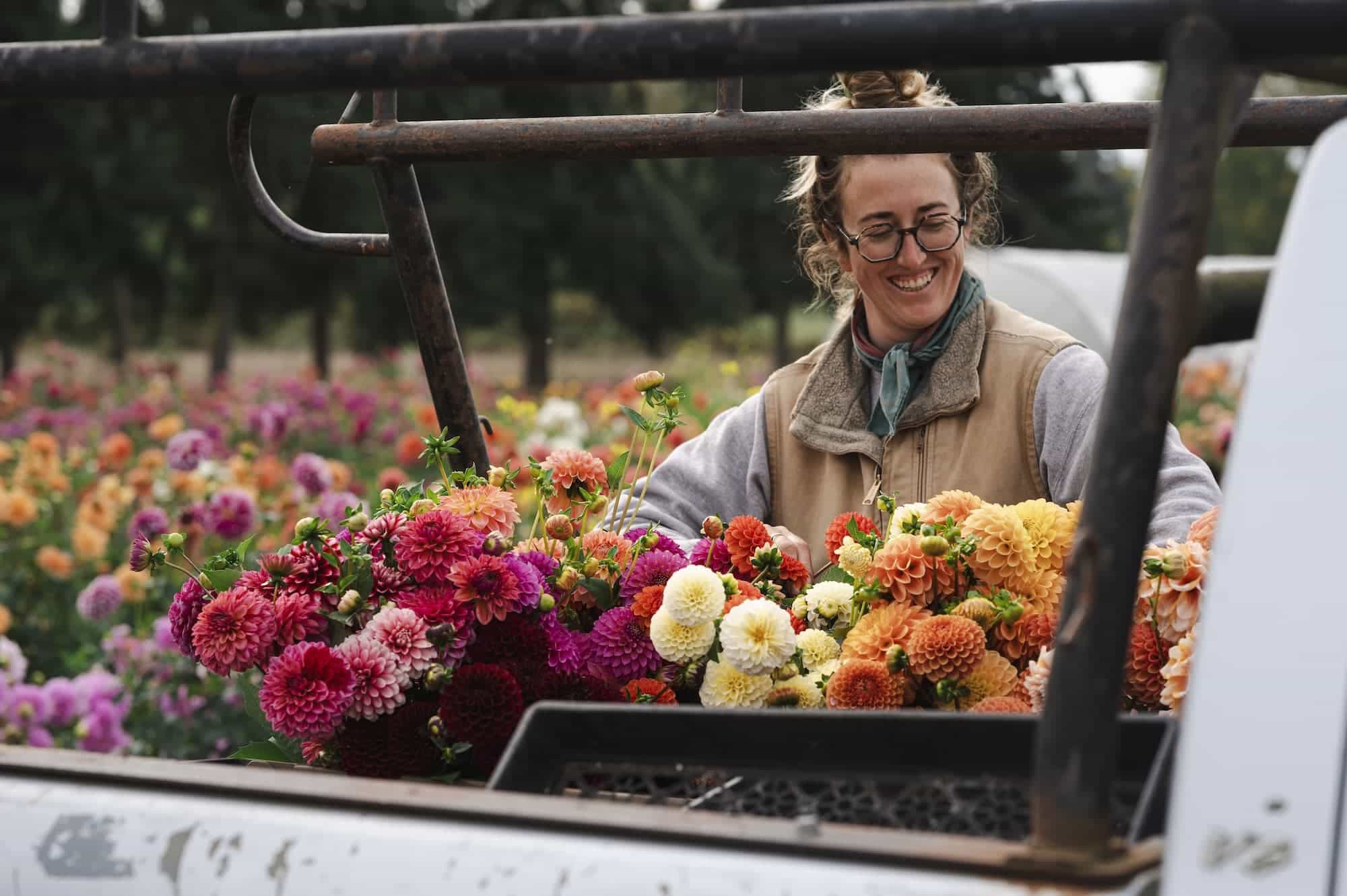
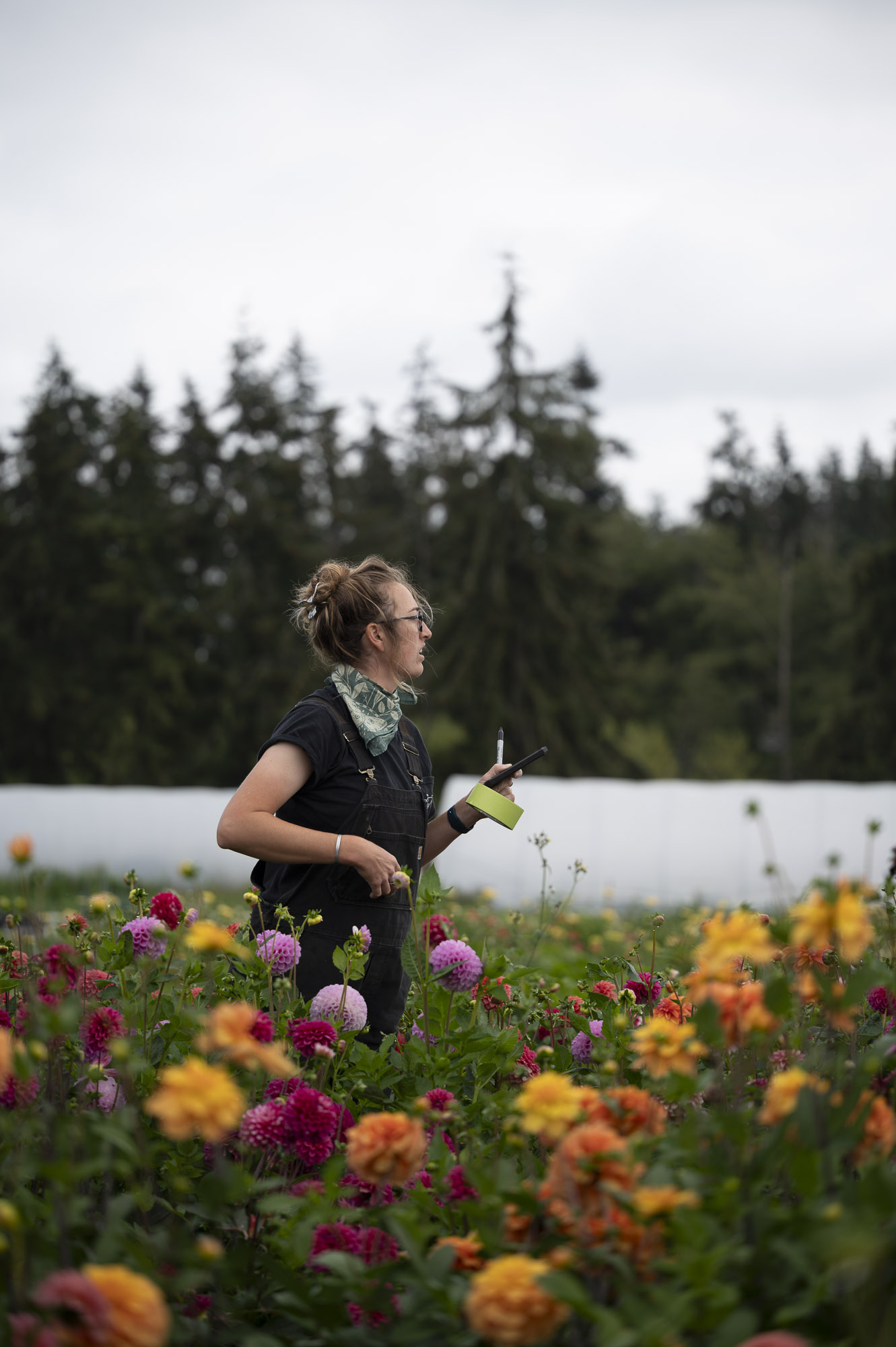
My good friend Alanah brings me out each year before the first frost to photograph her growing assortment of dahlia varieties — over twenty this year.
We had a short window before the mid-day sun flattened everything out, so we managed about an hour of gossip while Alanah moved through the rows, pulling and stemming the flowers for the day's shoot.
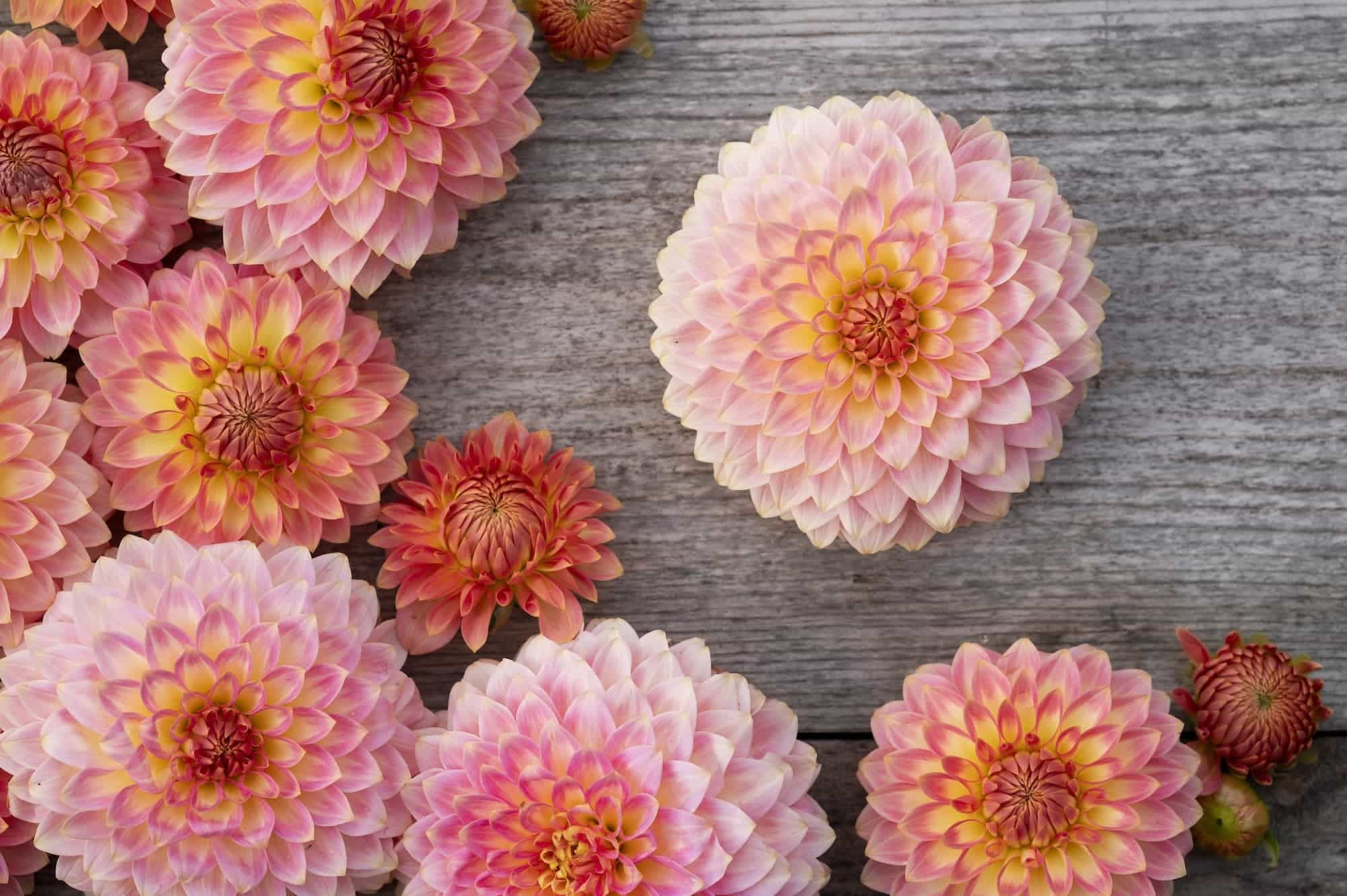
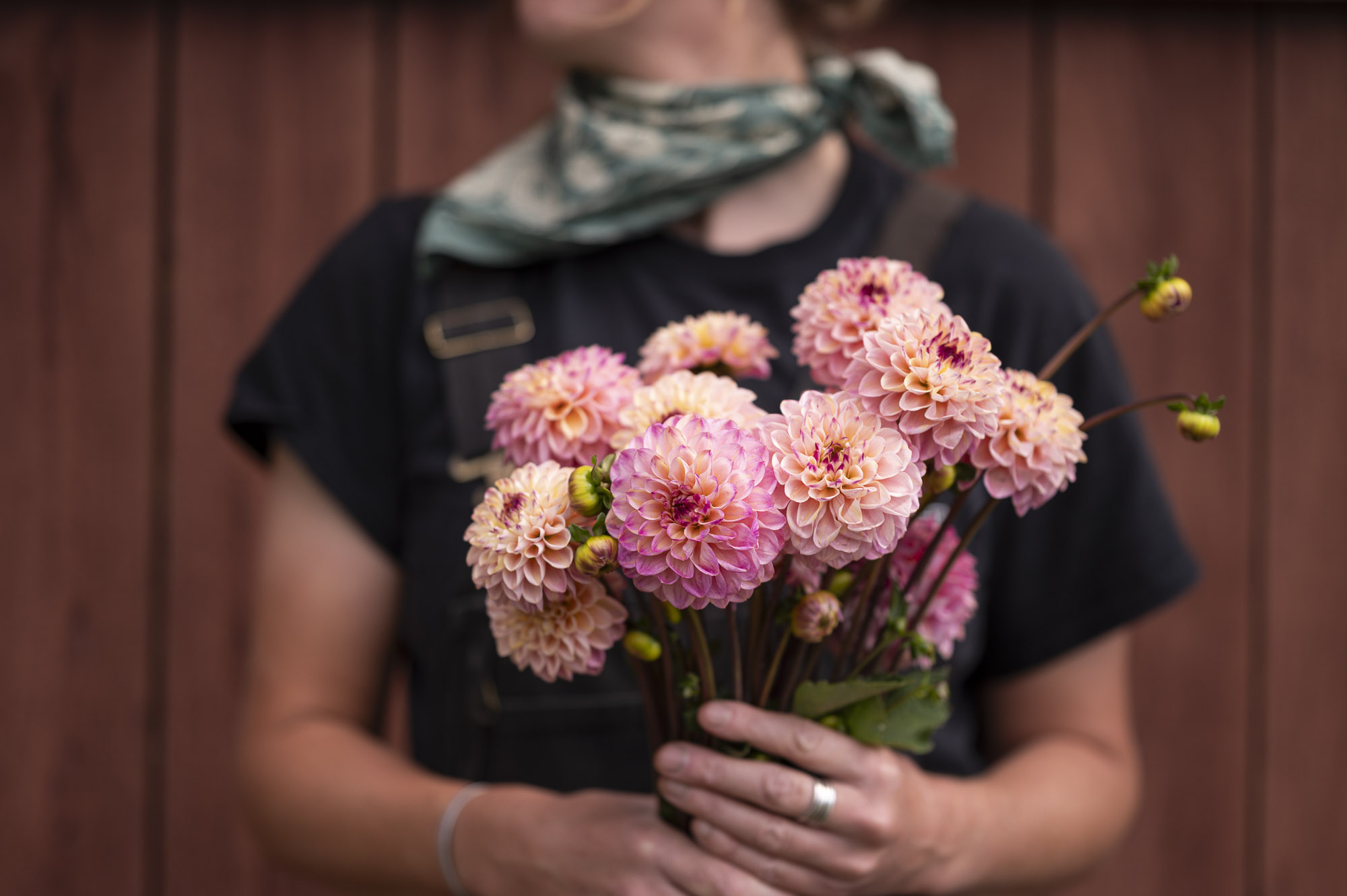
Over the years we've dialed in the process. Three setups: individual heads laid flat to capture the detail and texture of each variety; single-varietal bouquets so each dahlia can stand on its own; and multi-varietal lay flats that show the full range of the harvest together.
My wife, Halle, handles the styling on the lay flats. As soon as we get a shot, she's already pulling the arrangement apart and reshuffling stems for the next setup while Alanah and I stand by offering praise.
Before long the light starts to slip over the barn, inching across the ground towards the bulbs. We rush to get off the last few shots and pack up, heading out to grab a beer and spending the afternoon planning next year's shoot.
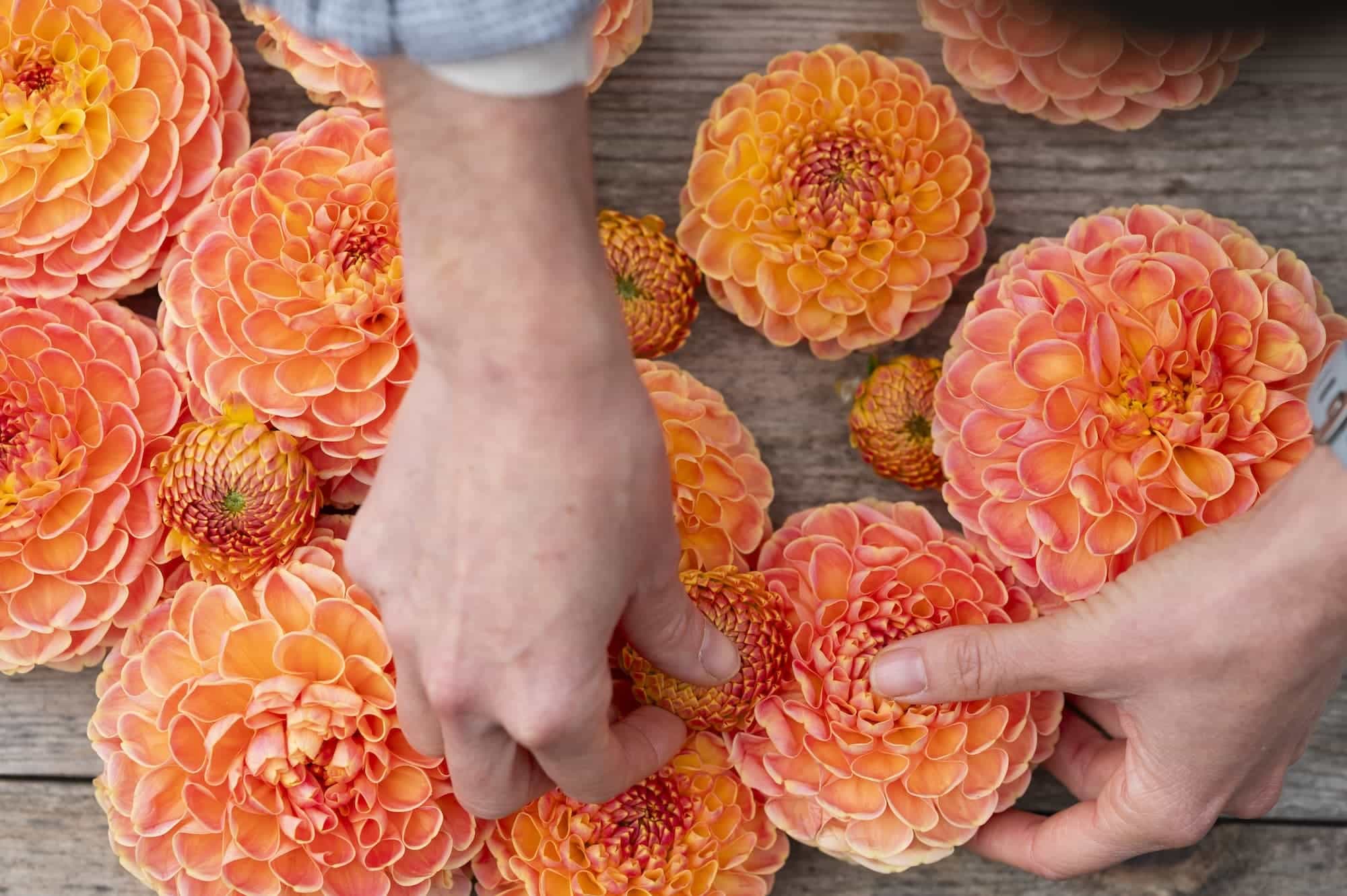
Same time next year.
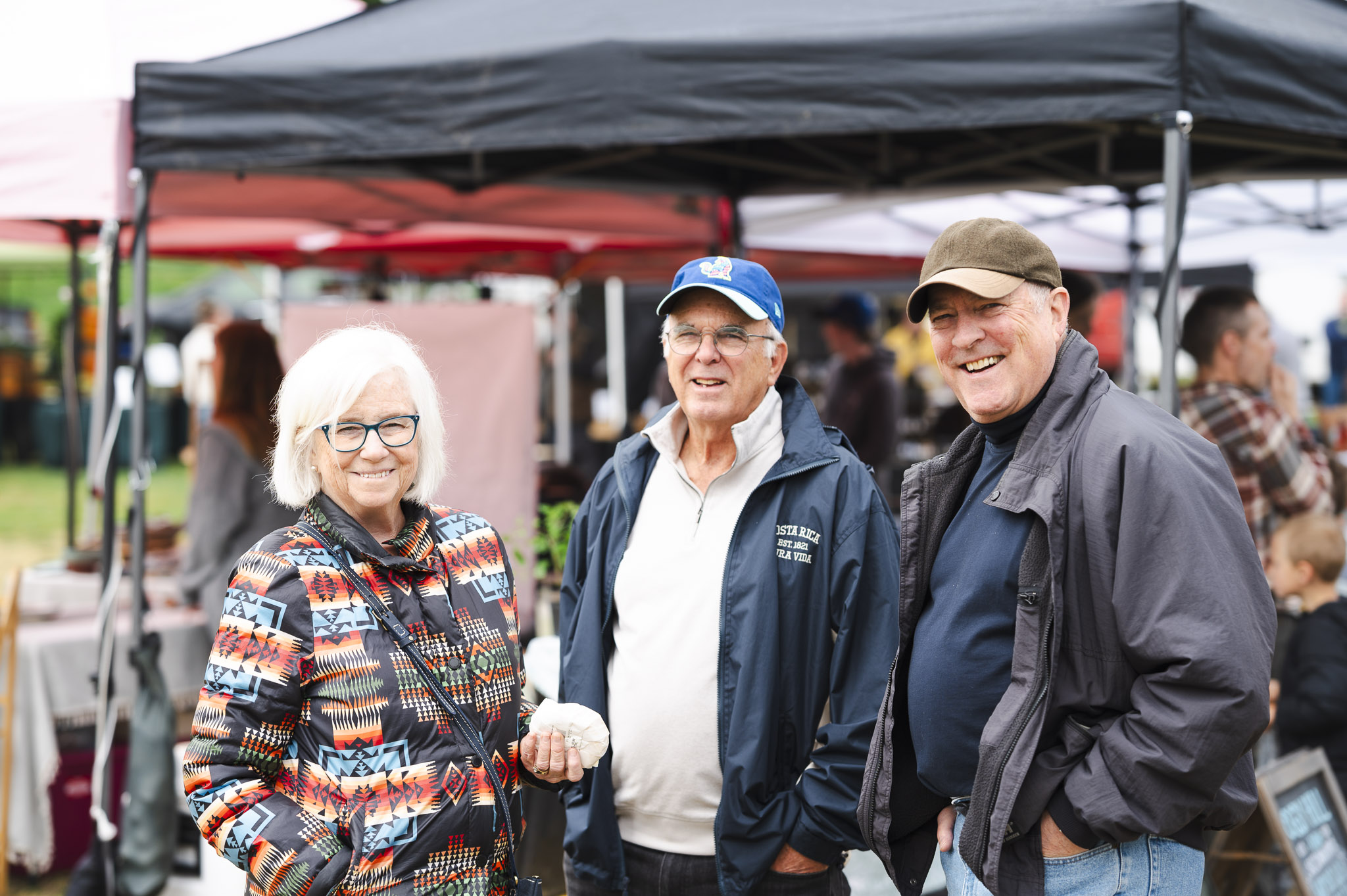
The market gears really start turning in mid-May at Bayview. Spring crops are well underway — greens, radishes, early flowers — and the vendors who've been grinding through the quiet weeks of early spring are starting to have full tables. It's not summer yet, but the energy is building toward it.
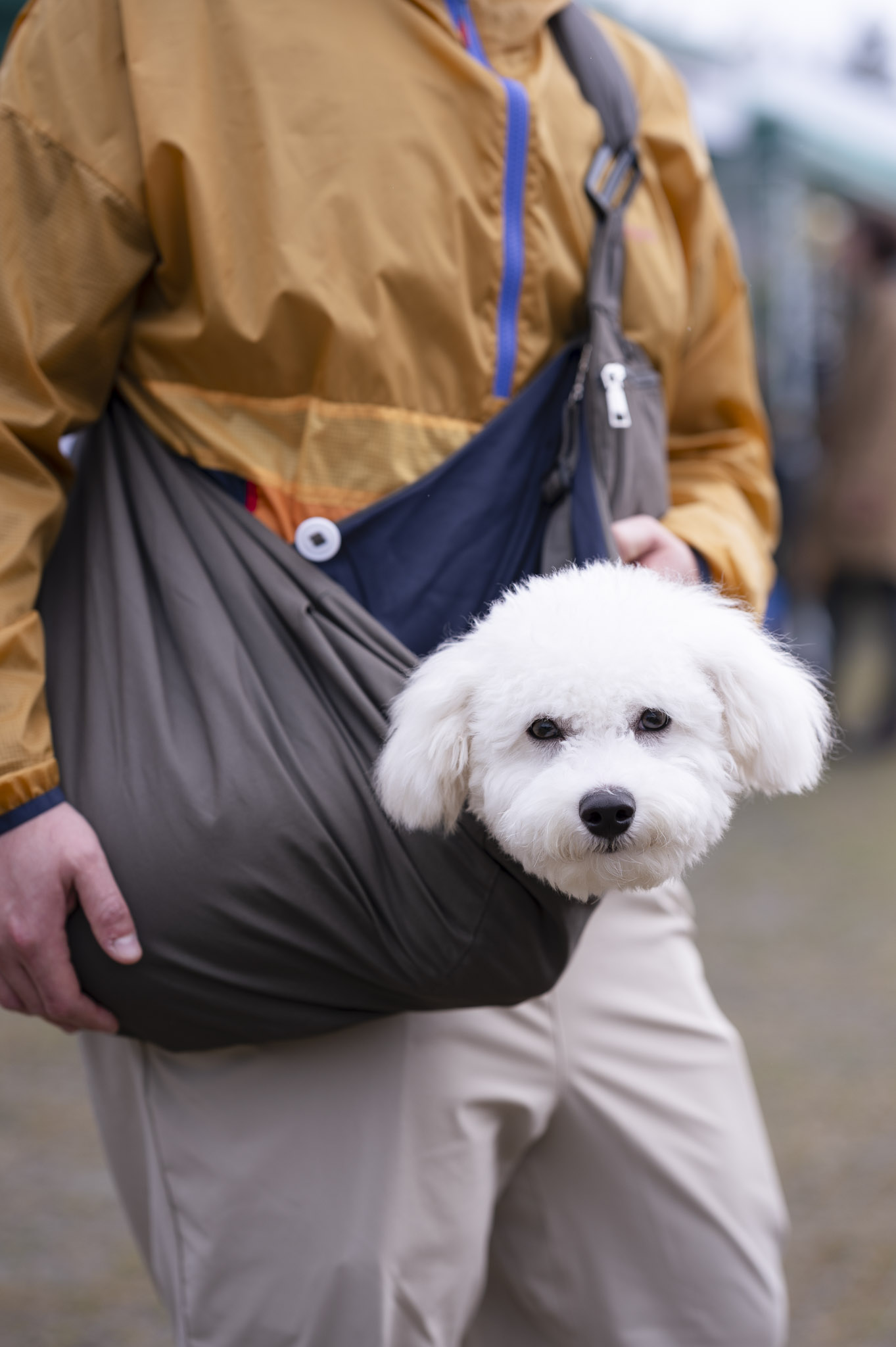
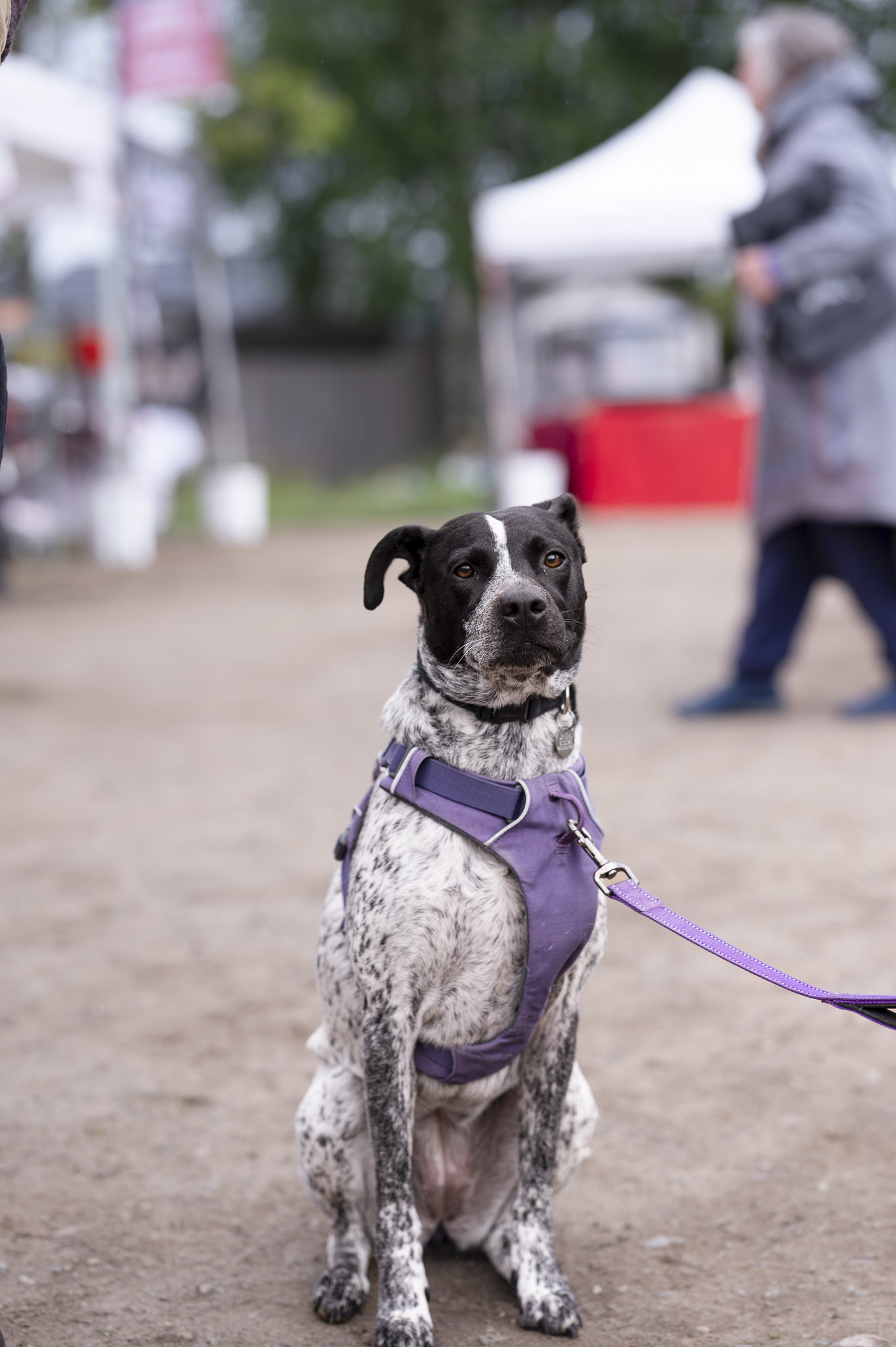
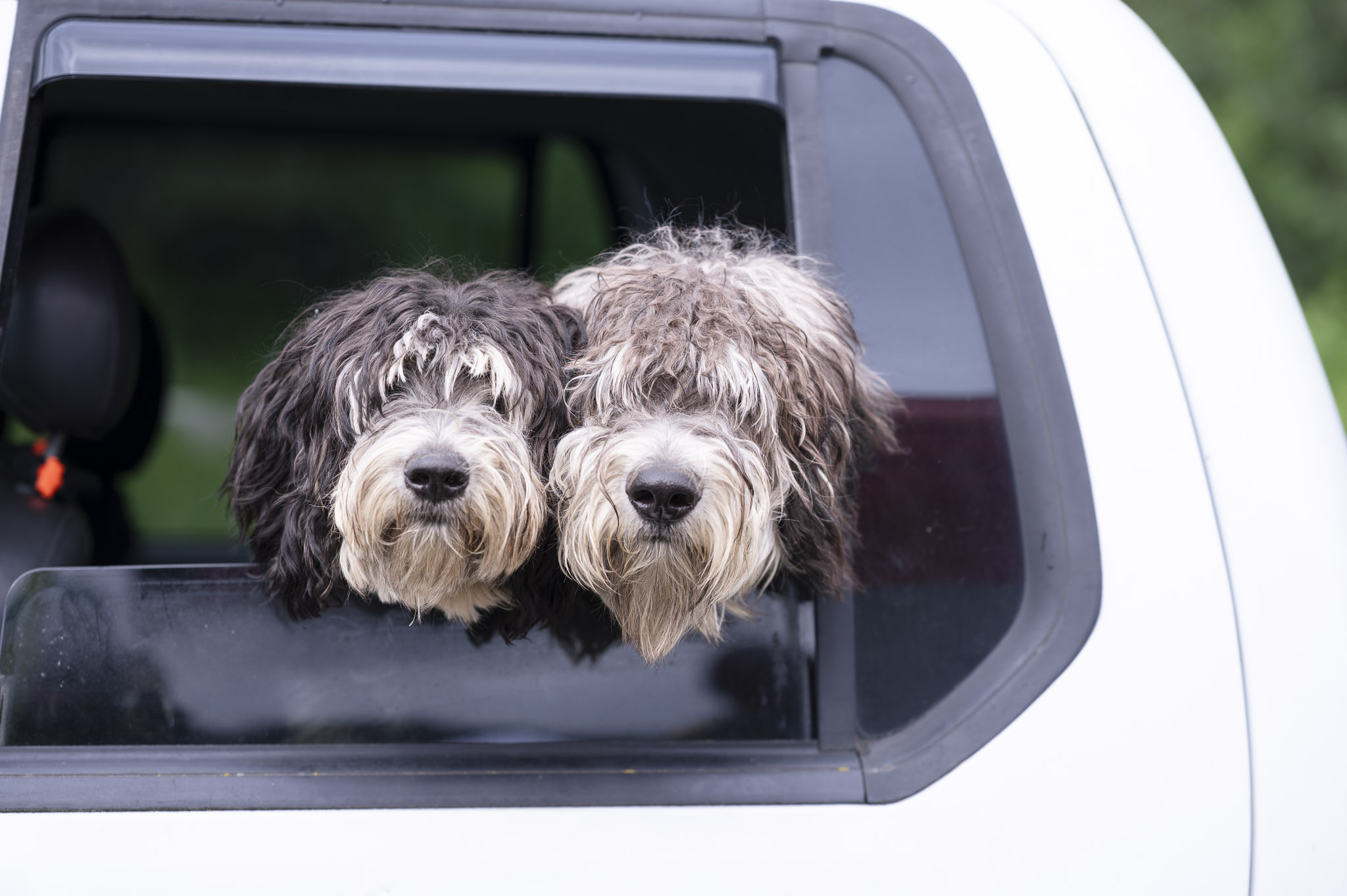
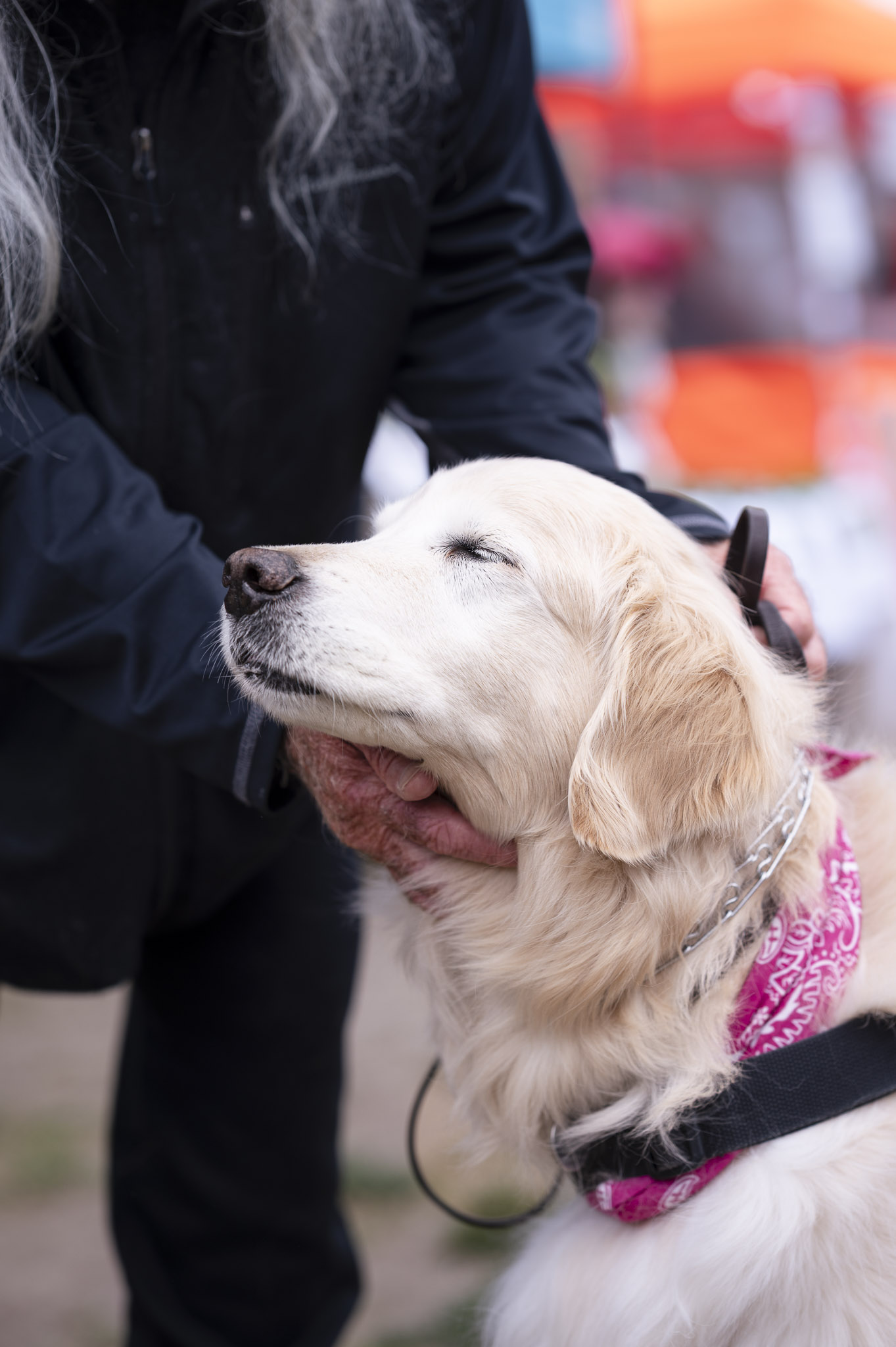
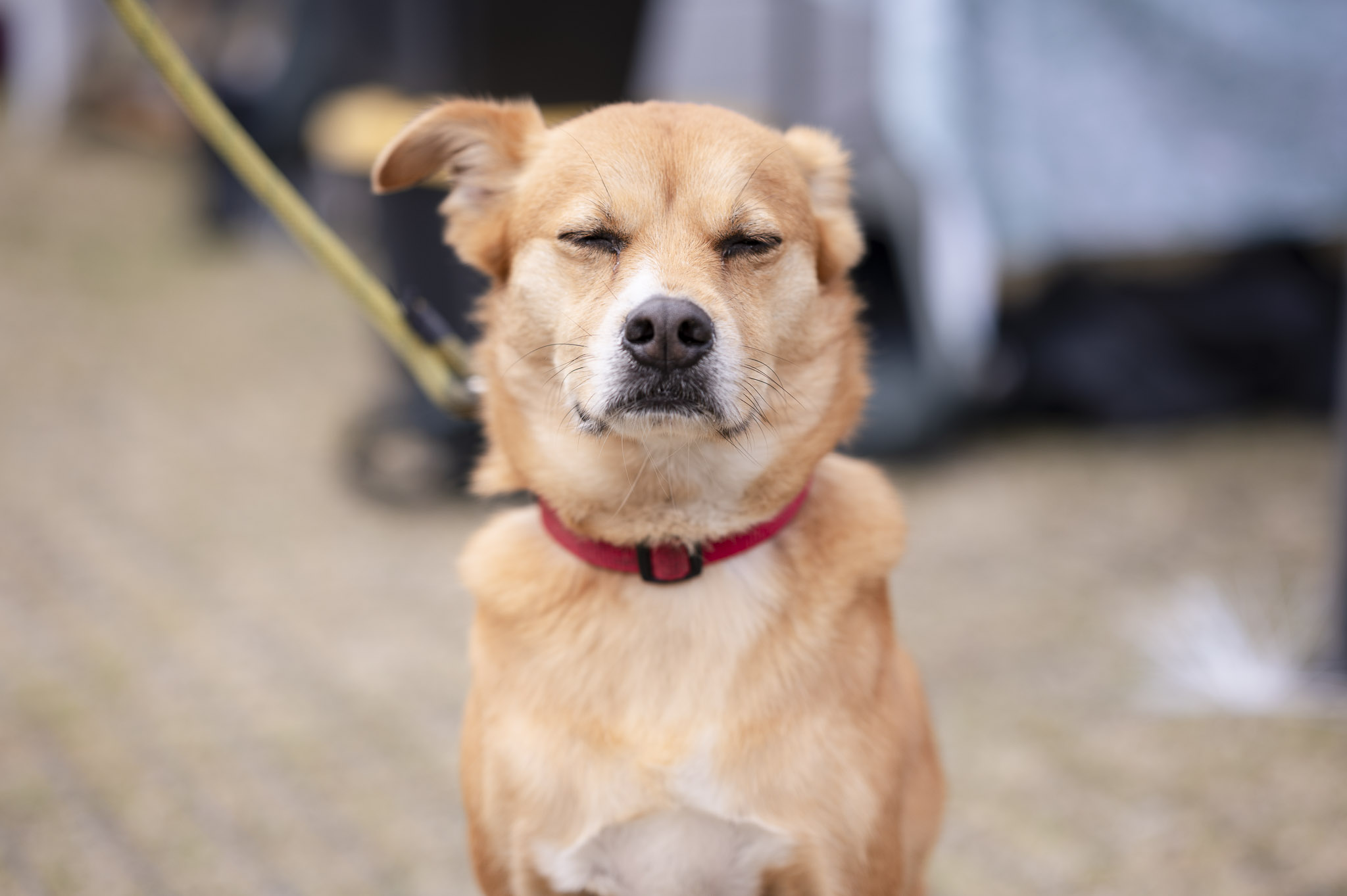
We love dogs at the Bayview Farmers Market and our customers and vendors sure love bringing them. My job that day was simple: take as many pictures of dogs as I could get to promote our dog-friendly attitude across our channels.
It may have been a cloudy day, but at least it was a cloudy day with a high chance of hanging out with dogs!
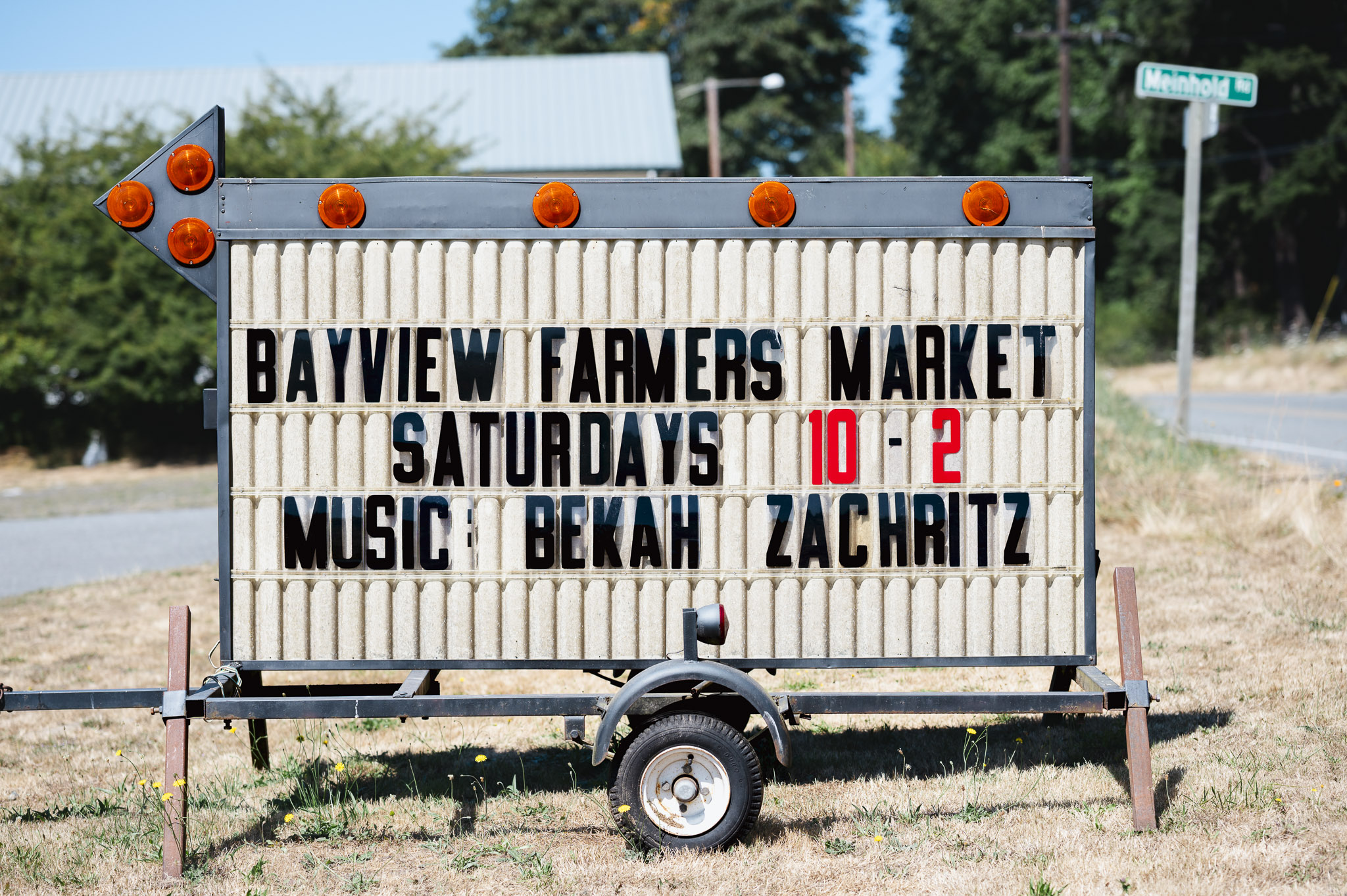
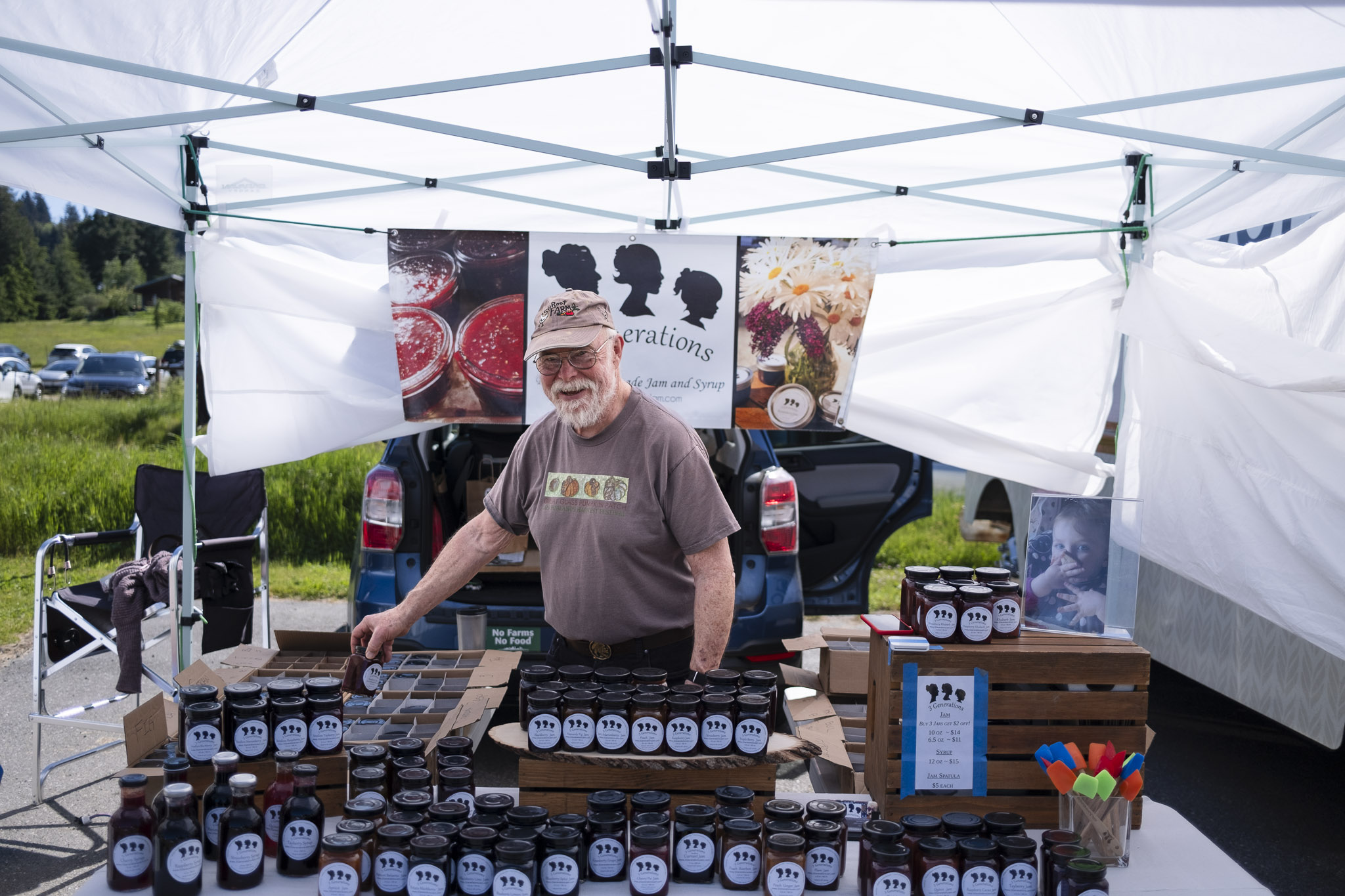
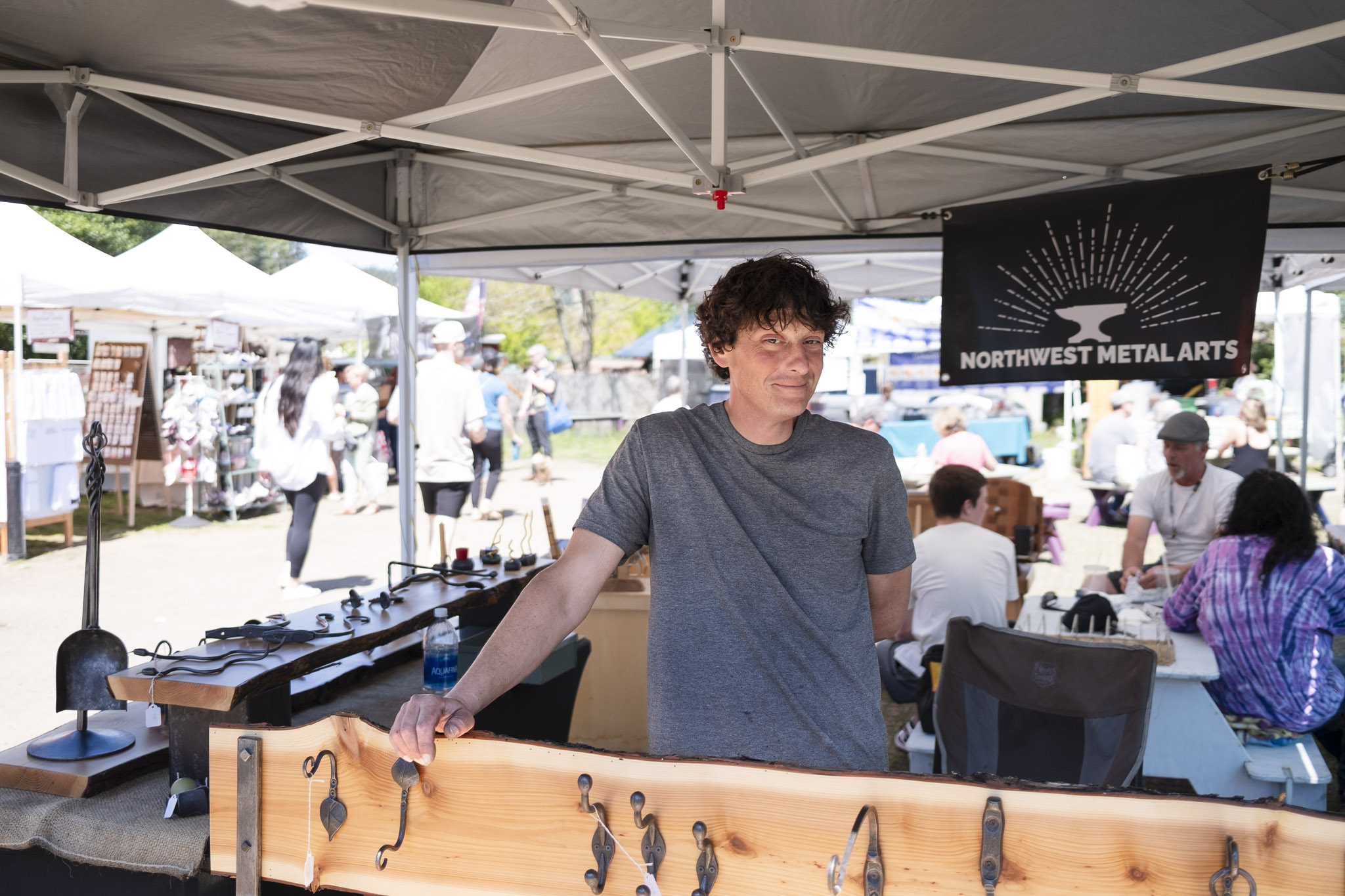
Bayview Farmers Market runs on Saturdays — a long-running fixture that's been part of the agricultural rhythm of South Whidbey for over 25 years. I managed the market for a stretch, which meant I was there before dawn to set up and spent most of Saturday moving fast between problems. Vendors needing change, weights borrowed from somewhere, the occasional medical situation, bathrooms that need attention more than once. The market runs on a lot of invisible work.
Photography happened in the gaps. Not ideal conditions for someone who wants to plan shots carefully, but it's what the situation gave me. The good news is that in the PNW, harsh spring sun is usually softened by a layer of clouds anyway — you end up with workable light throughout the day whether you planned for it or not.
See y'all next Saturday!
We came back for year two with a little more confidence in the setup. Sleepy Bee felt more settled — more rows, better systems, a clearer sense of what we were doing and why. The tour followed the same arc as 2022, which was part of the point: people returning could see what had changed, and people new to it got the full picture.
The main addition in 2023 was the Fletchers' mushroom operation, now running inside the commercial kitchen space that had just been framing and concrete the year before. Watching something go from construction to production in a single season is its own kind of satisfying.
Same weather story — nicer than expected, a couple days after my birthday. At some point that stops being a coincidence.
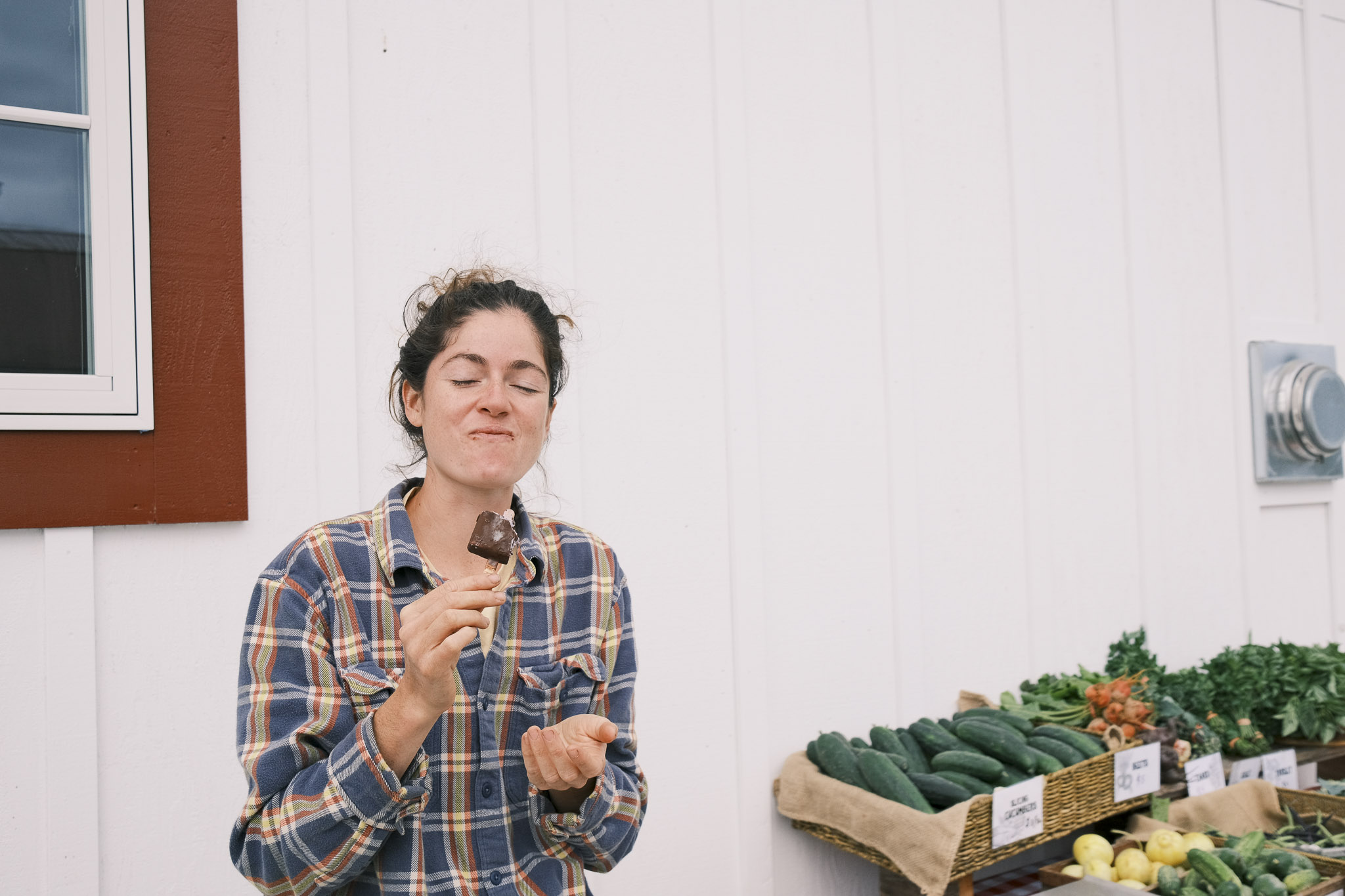
The tour wrapped the same way it always did: blueberry juice, ice cream bars, chocolates, and an afternoon that went longer than intended. On tour days, Halle handles the talking — she knows the farm inside out and is the one who can actually answer the questions. I just try to be useful with a camera.
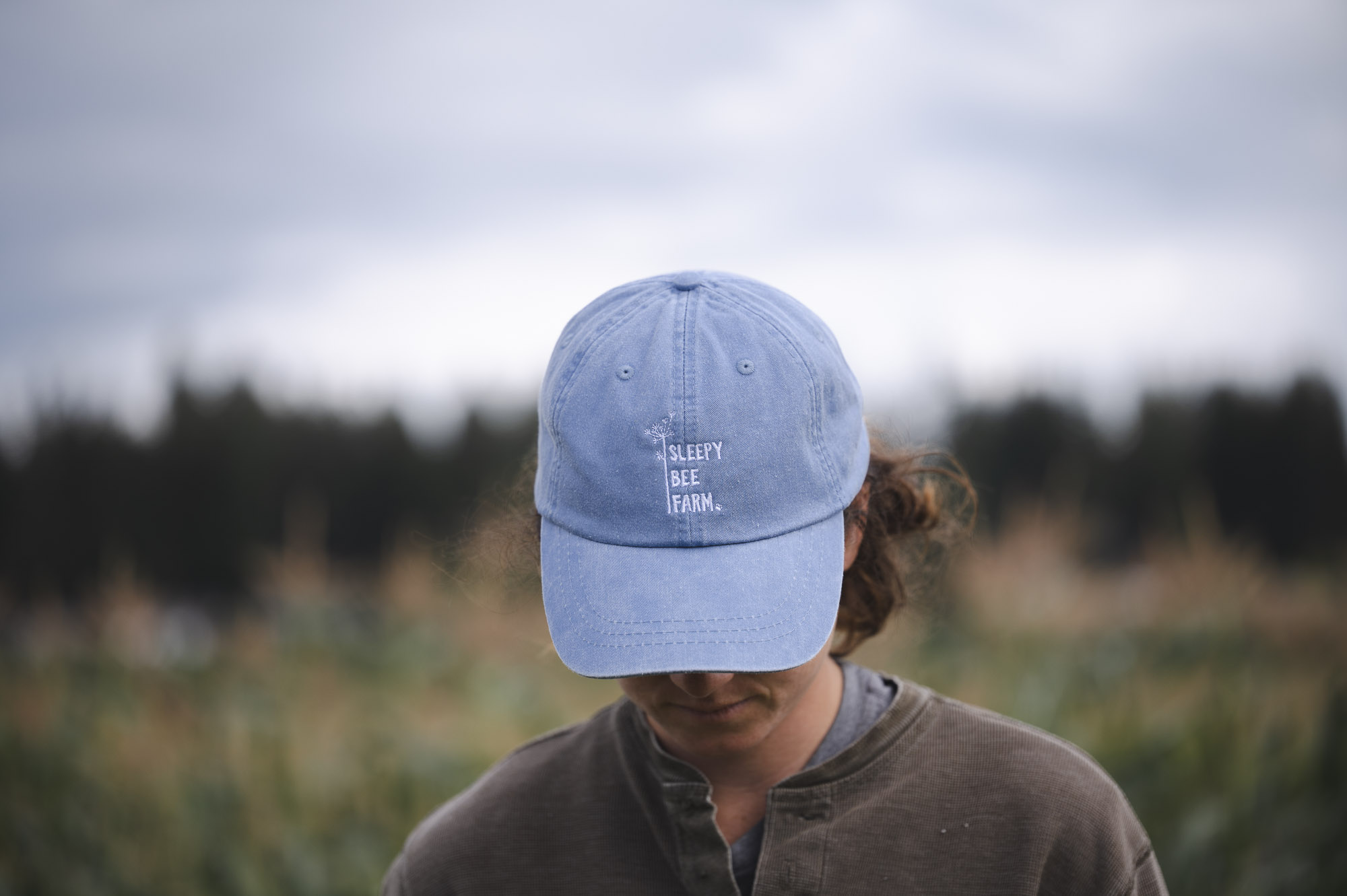
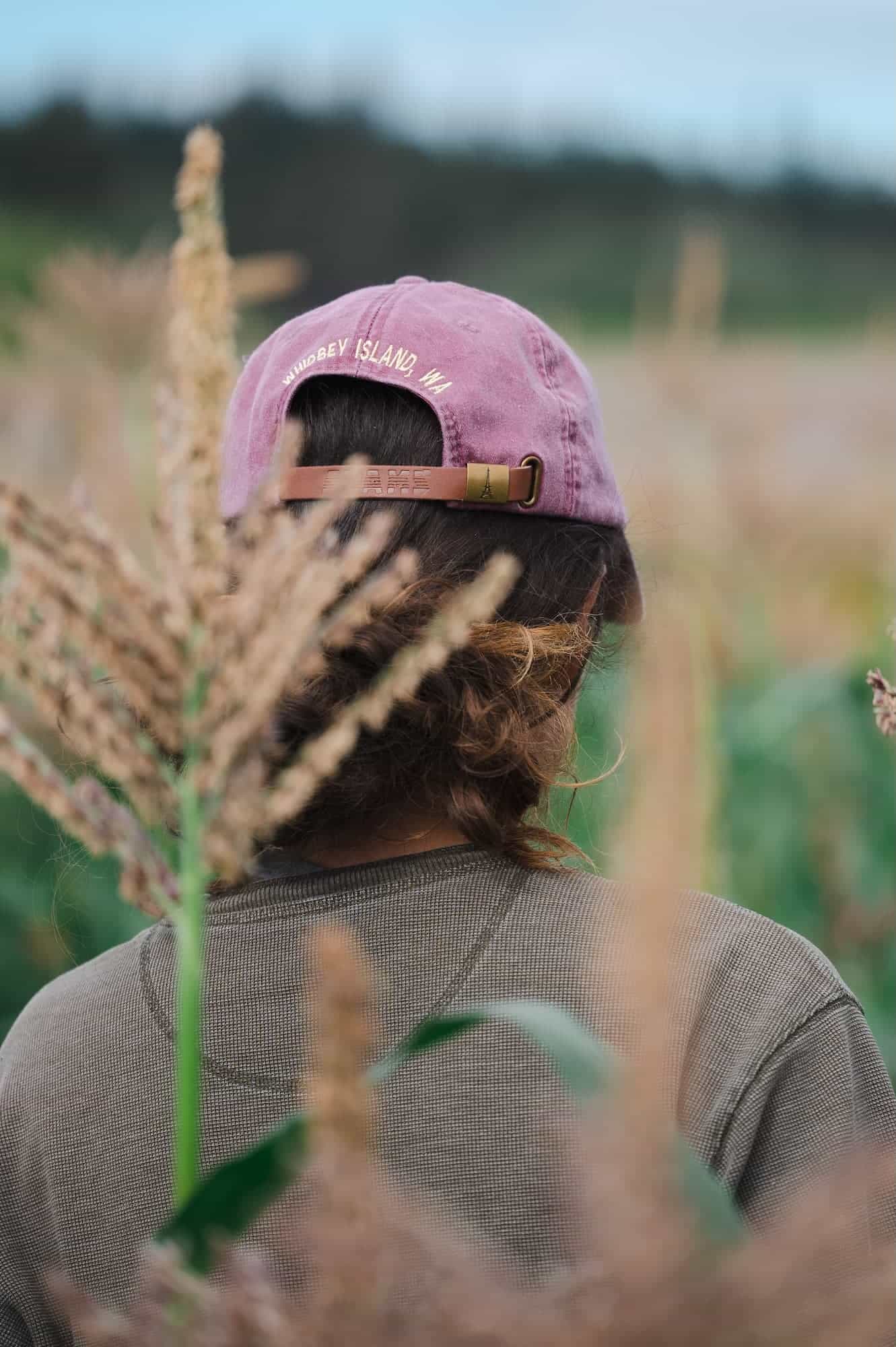
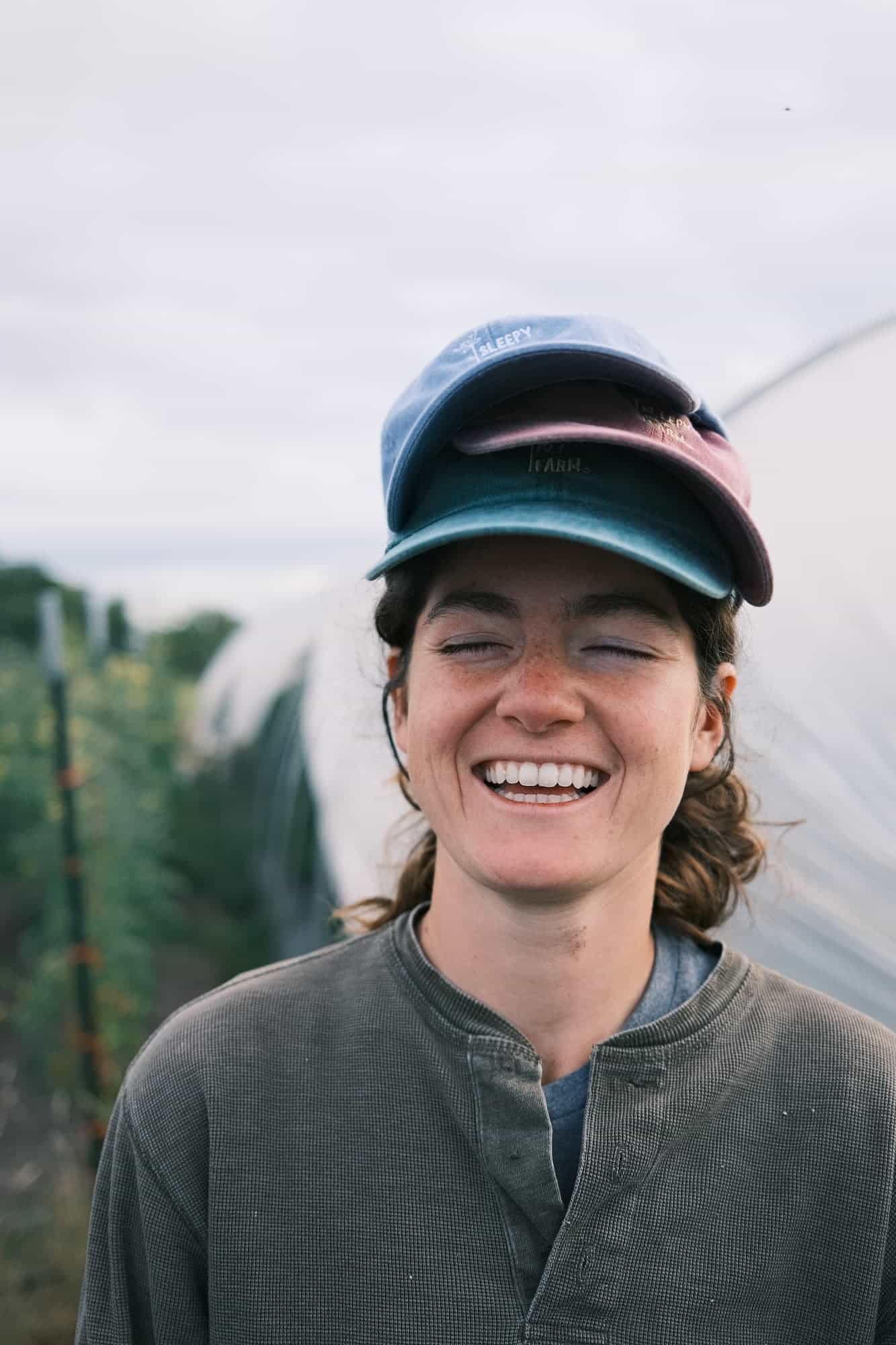
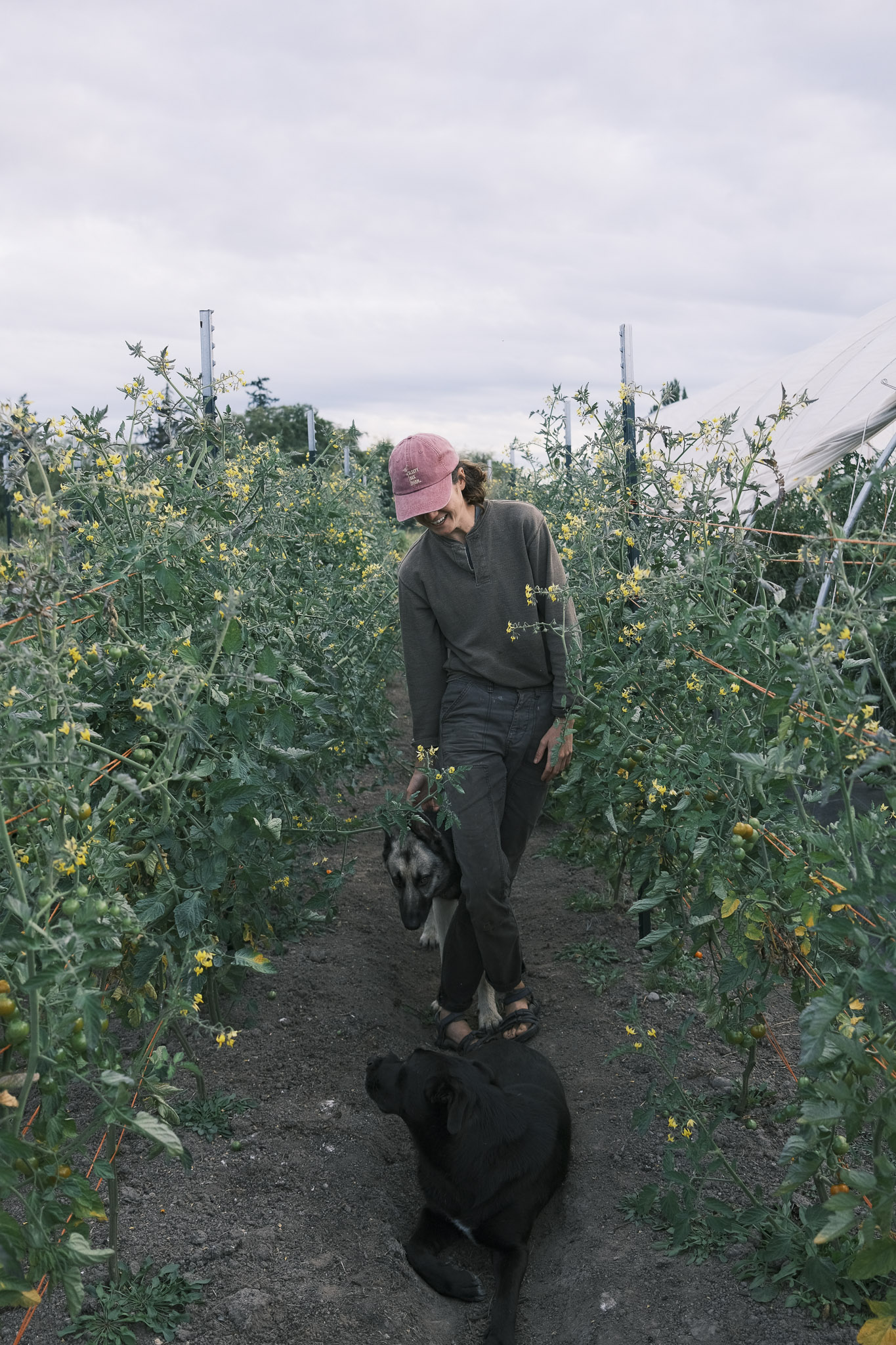
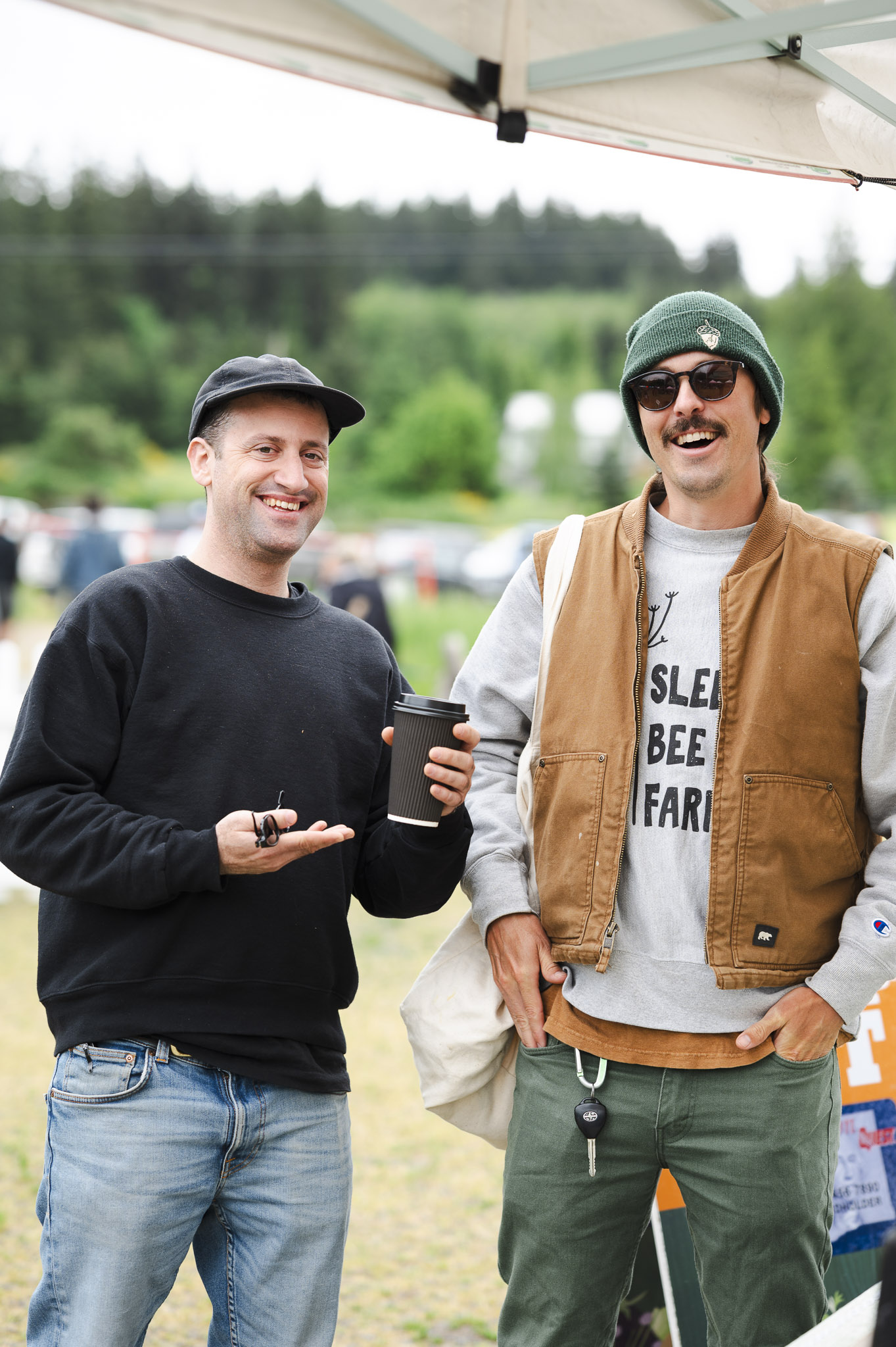
When you're running a farm and selling at markets, the merch is part of how you tell people what you're about. A well-made shirt or a good hat on the table does real work. The problem is that most farm merch photography looks like an afterthought — folded flat on a white background, or just not photographed at all.
We had a run of Sleepy Bee gear to document: shirts, hats, a few other pieces. I shot most of it on location, using the farm itself as context. Nothing complicated — natural light, simple setups, done in a morning. The goal was something we could use on Instagram and our website that actually felt like it came from the farm, not a product listing.
Buy our stuff, please!
The Mutiny Bay Blues tagline is "Are you feelin' it? Well, you've got the Mutiny Bay Blues." Their farm tour happened the morning after my 30th birthday. I was feelin' it.
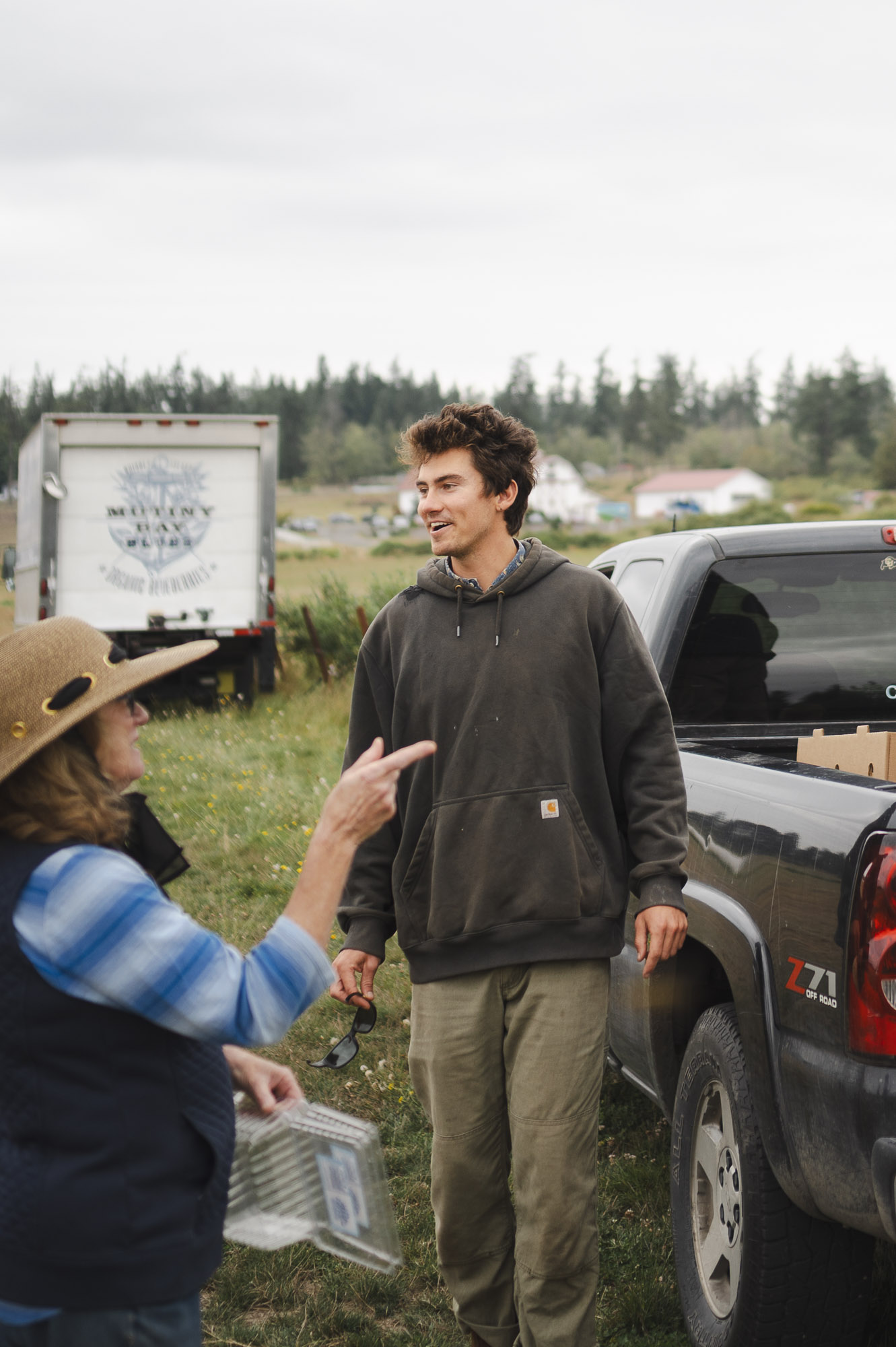
Mutiny Bay Blues is a large-scale blueberry operation on the south end of Whidbey in Freeland. I worked their packing operations each season from 2020 to 2023, which is how we landed our connection to the space. In 2021, they offered us something rare: an acre of their land to start Sleepy Bee Farm on, with landscape fabric, water hookups, storage, and cooler access for next to nothing. An incubator with the cost barriers removed so we could find out if we had something.
By 2022 we were into our second growing season on the plot. Start tunnels in the ground, caterpillar tunnels up, rows of dahlias and cut flowers coming in. When the Fletchers invited us to join their annual farm tour, it made sense: we had something to show, and so did they.
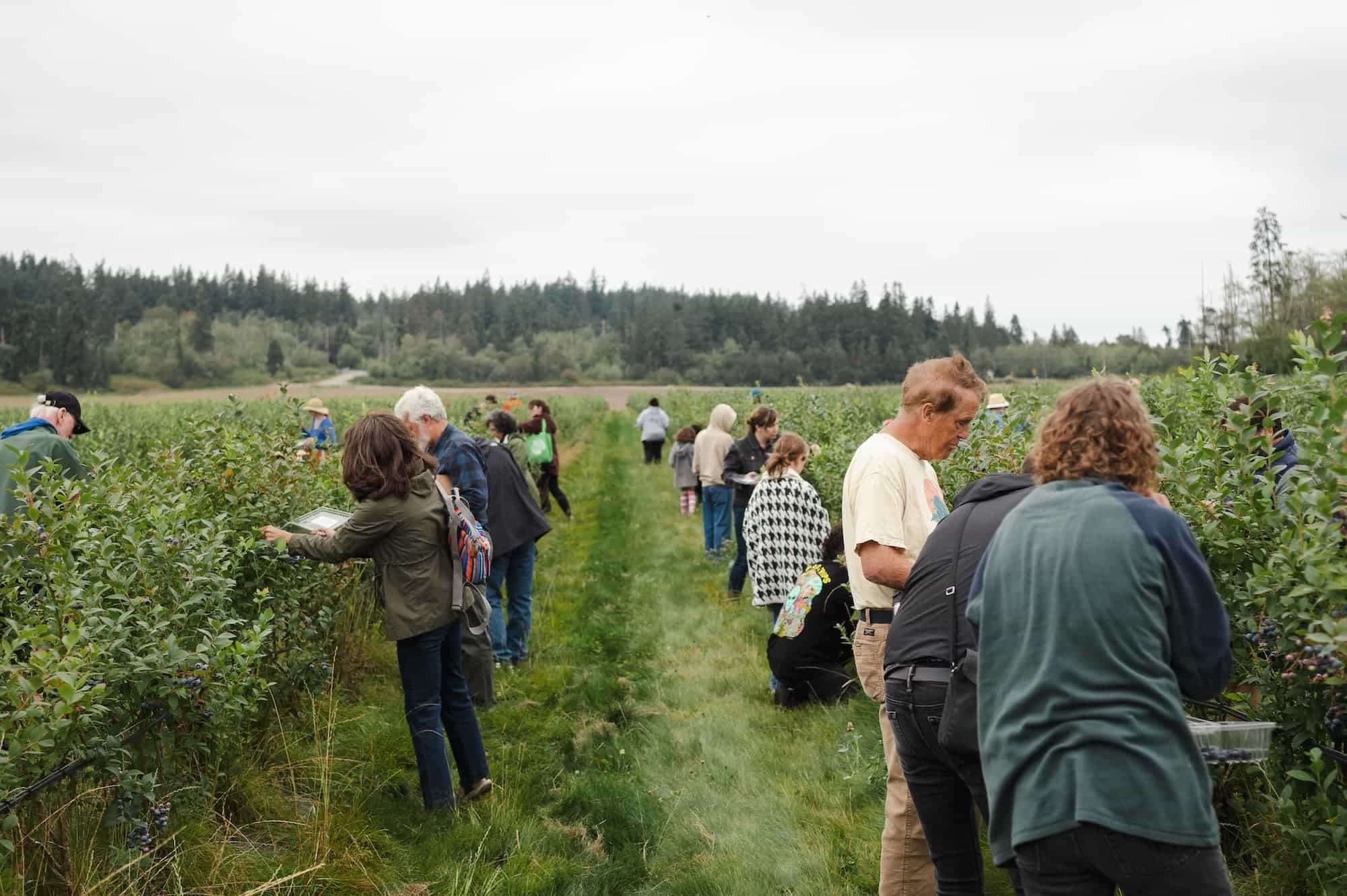
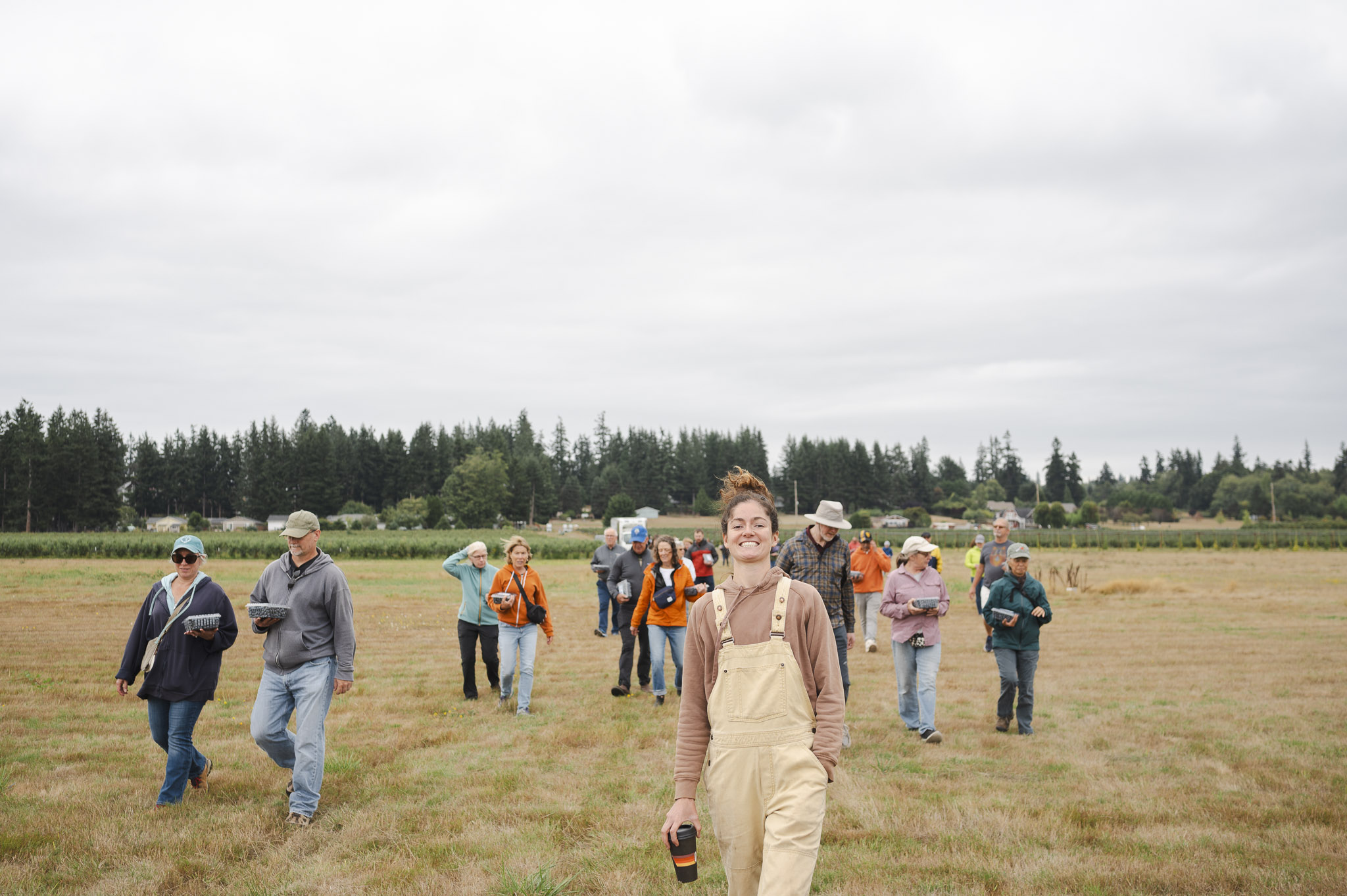
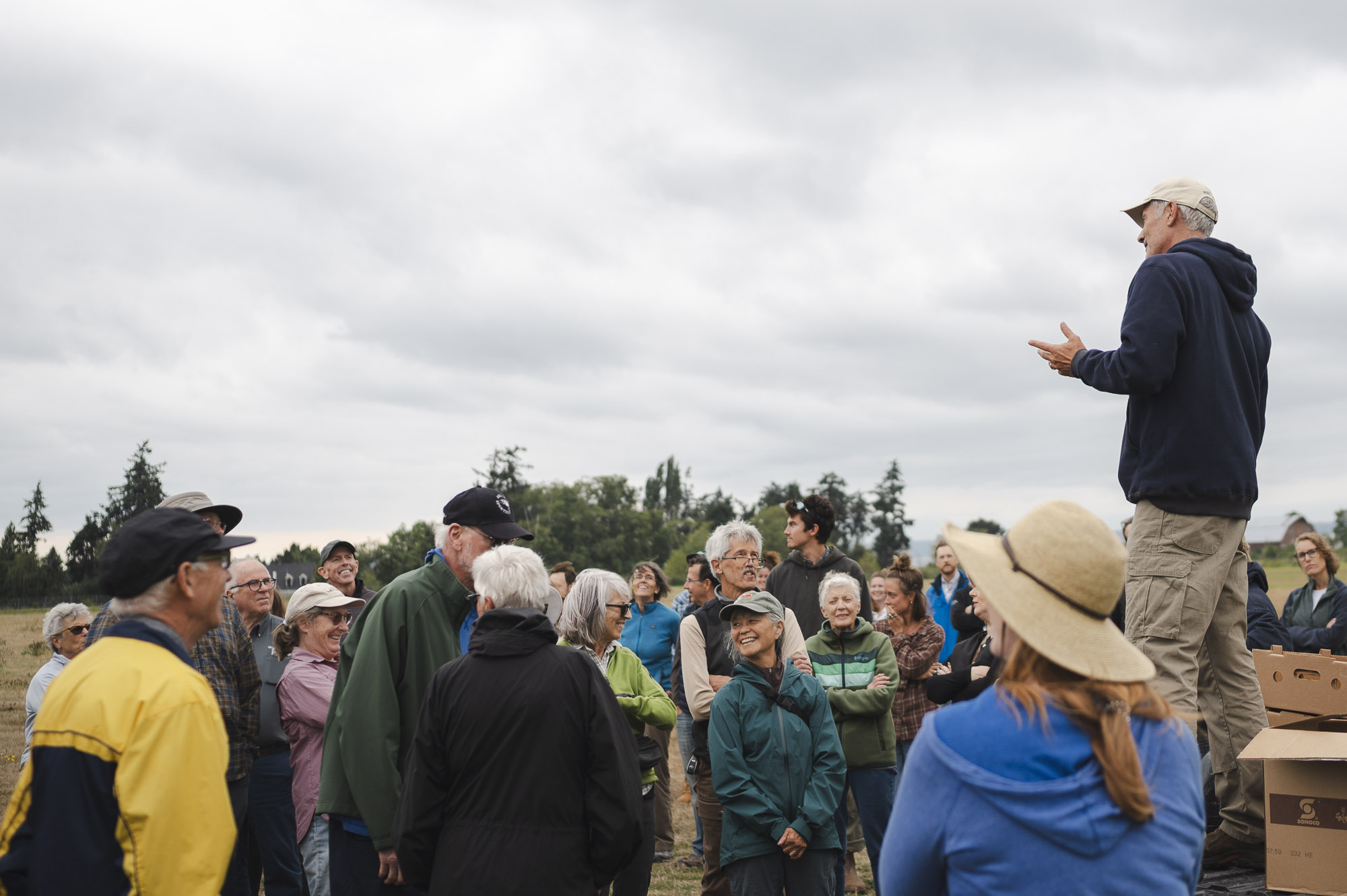
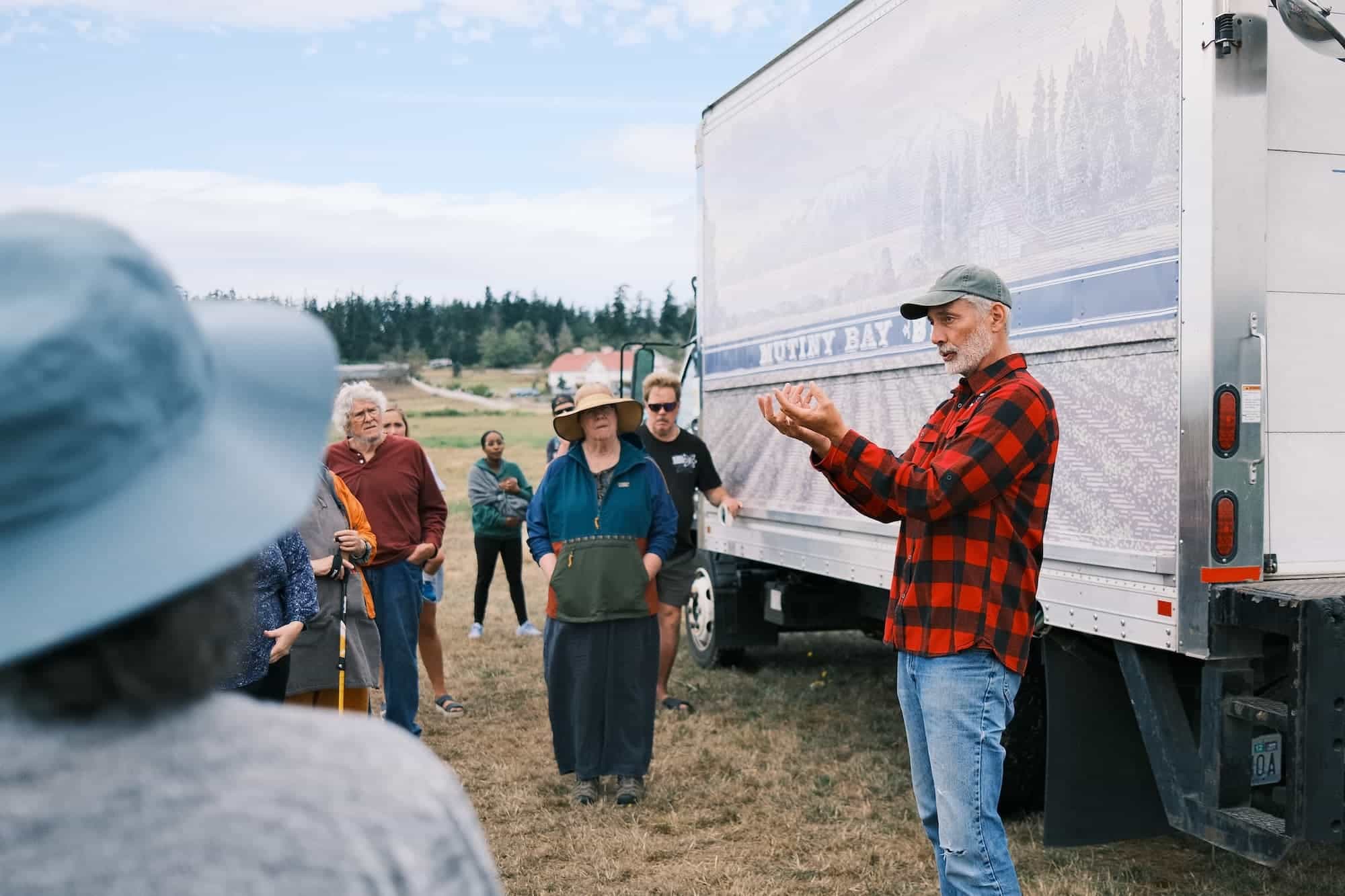
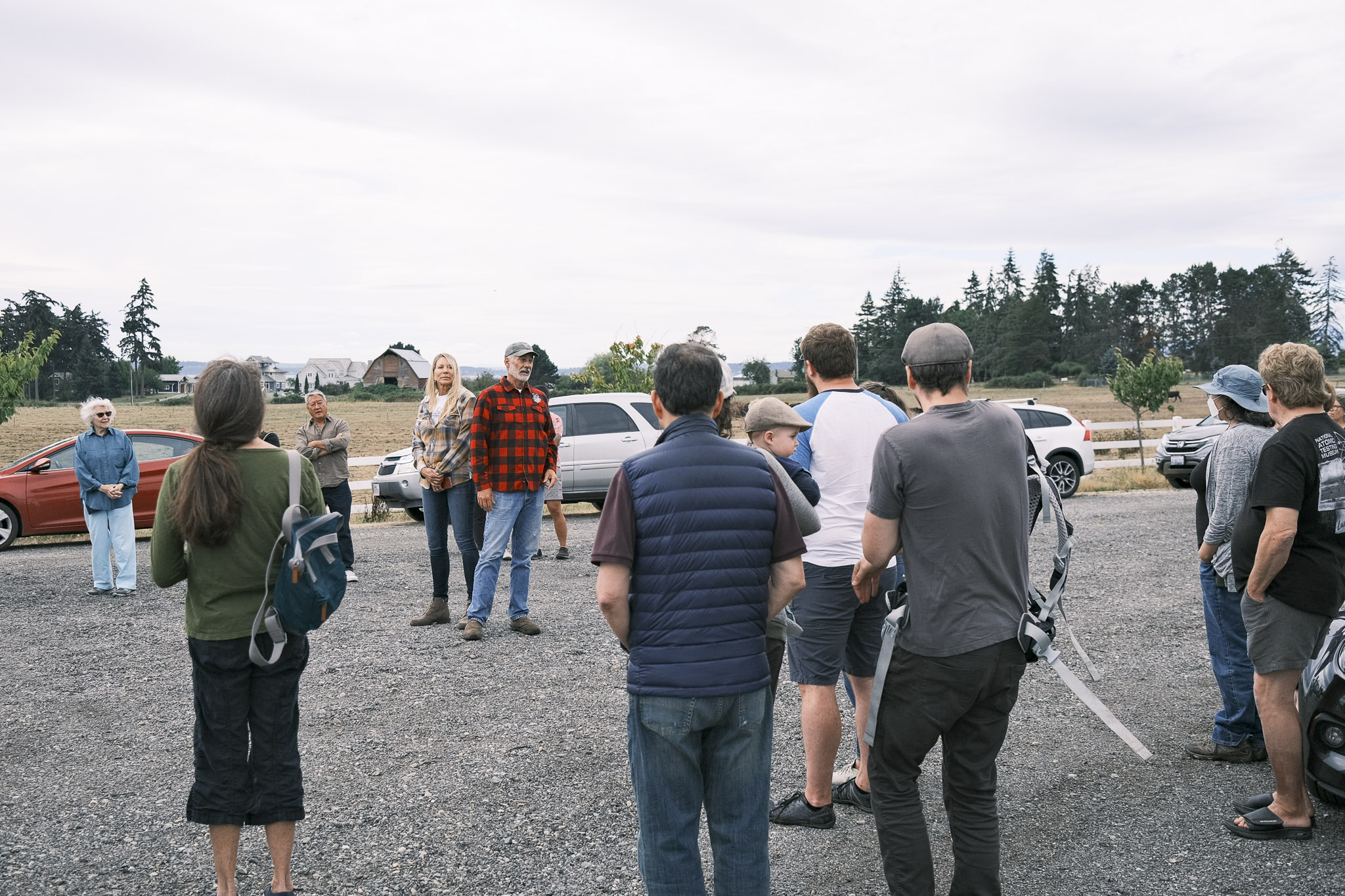
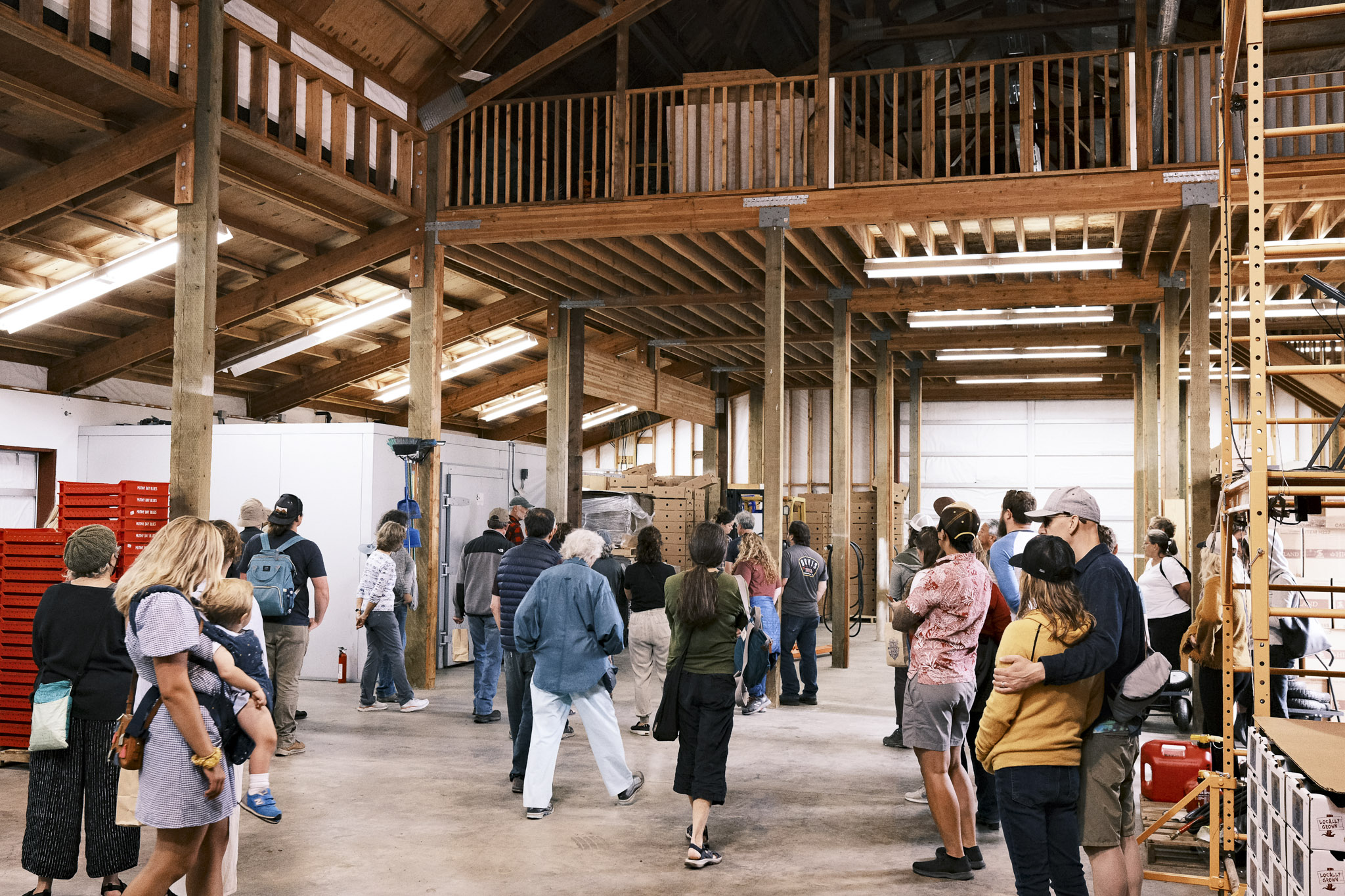
The day started at the barn. The Fletchers introduced Mutiny Bay Blues, we introduced Sleepy Bee, and then the group walked the property — our section first, showing the tunnels, the rows, what we'd put into that acre. Then out to the blueberry fields for a rare U-pick opportunity. After that, back to the barn for a tour of the packing operation and the commercial kitchen taking shape in the back.
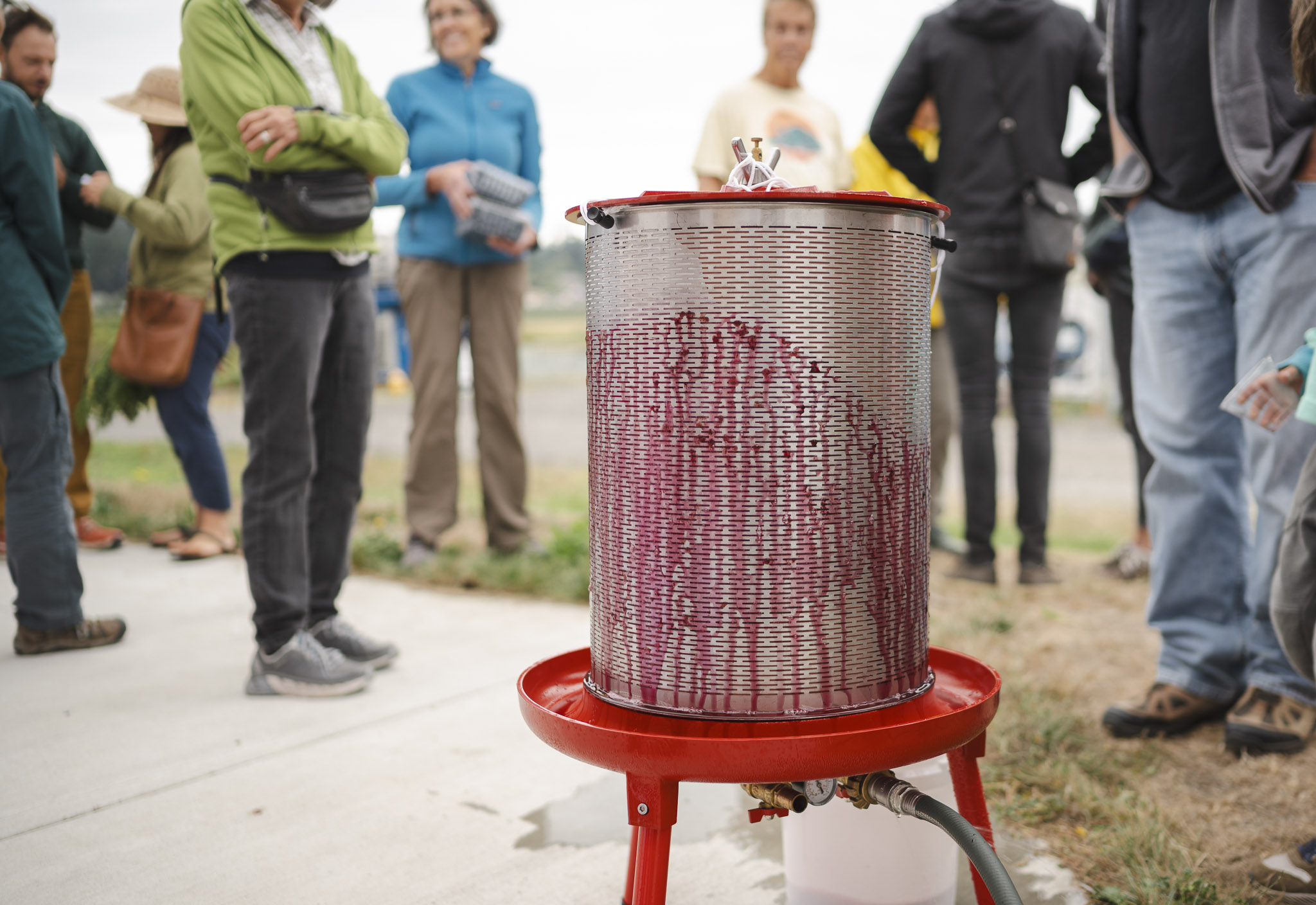
It wrapped with fresh-squeezed blueberry juice, blueberry ice cream bars, and chocolates — people hanging around longer than they'd planned. The weather turned out better than anyone expected.
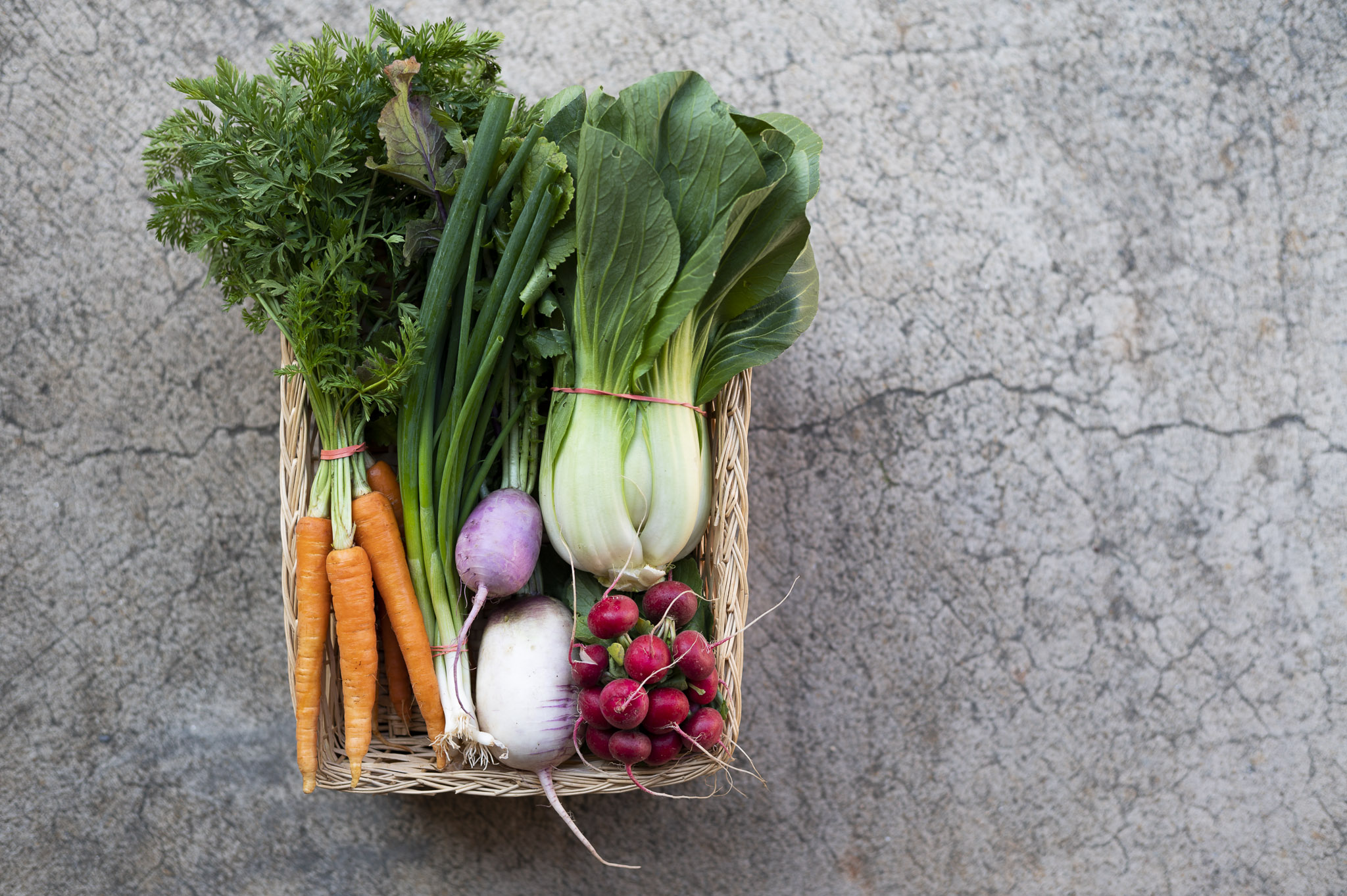
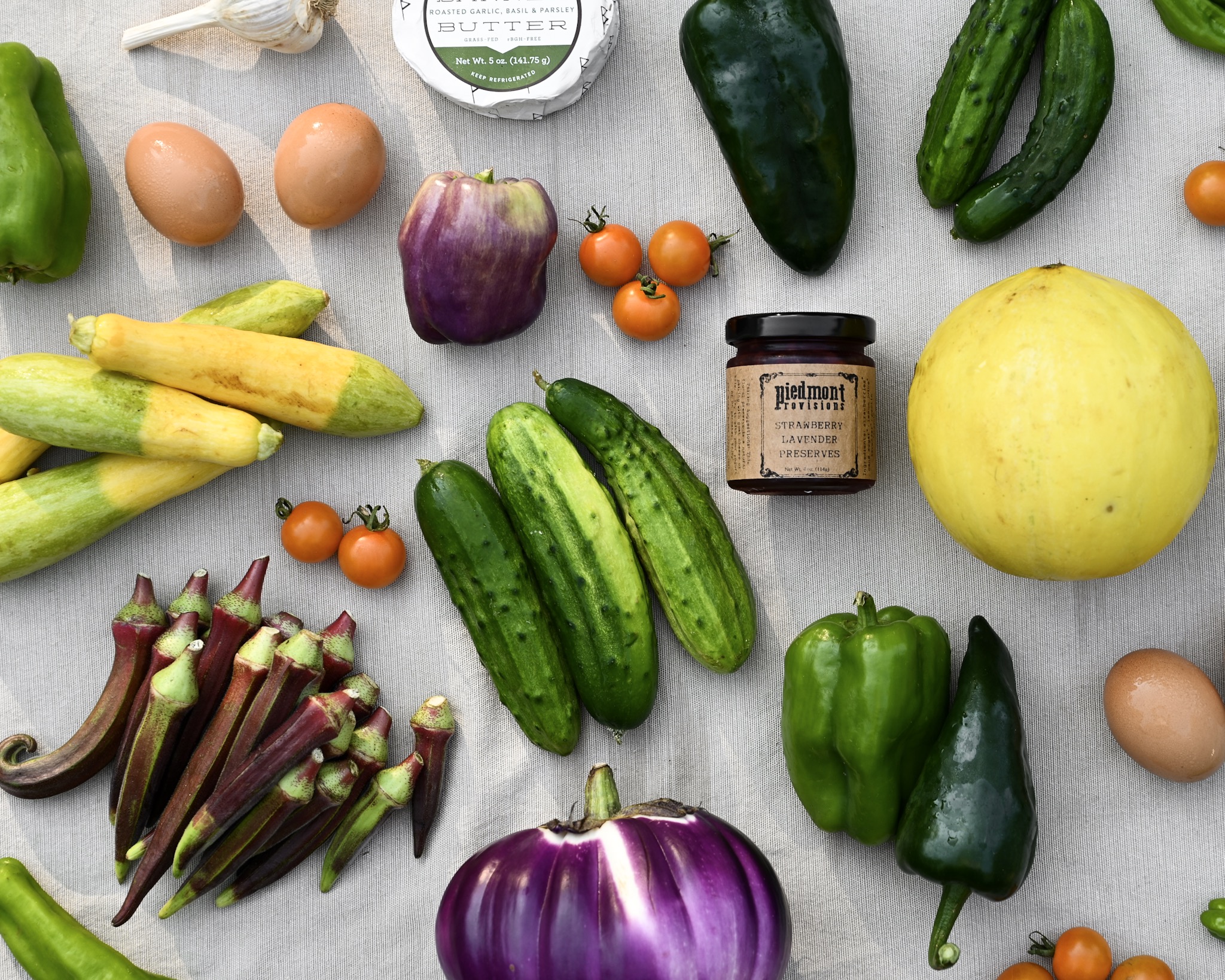
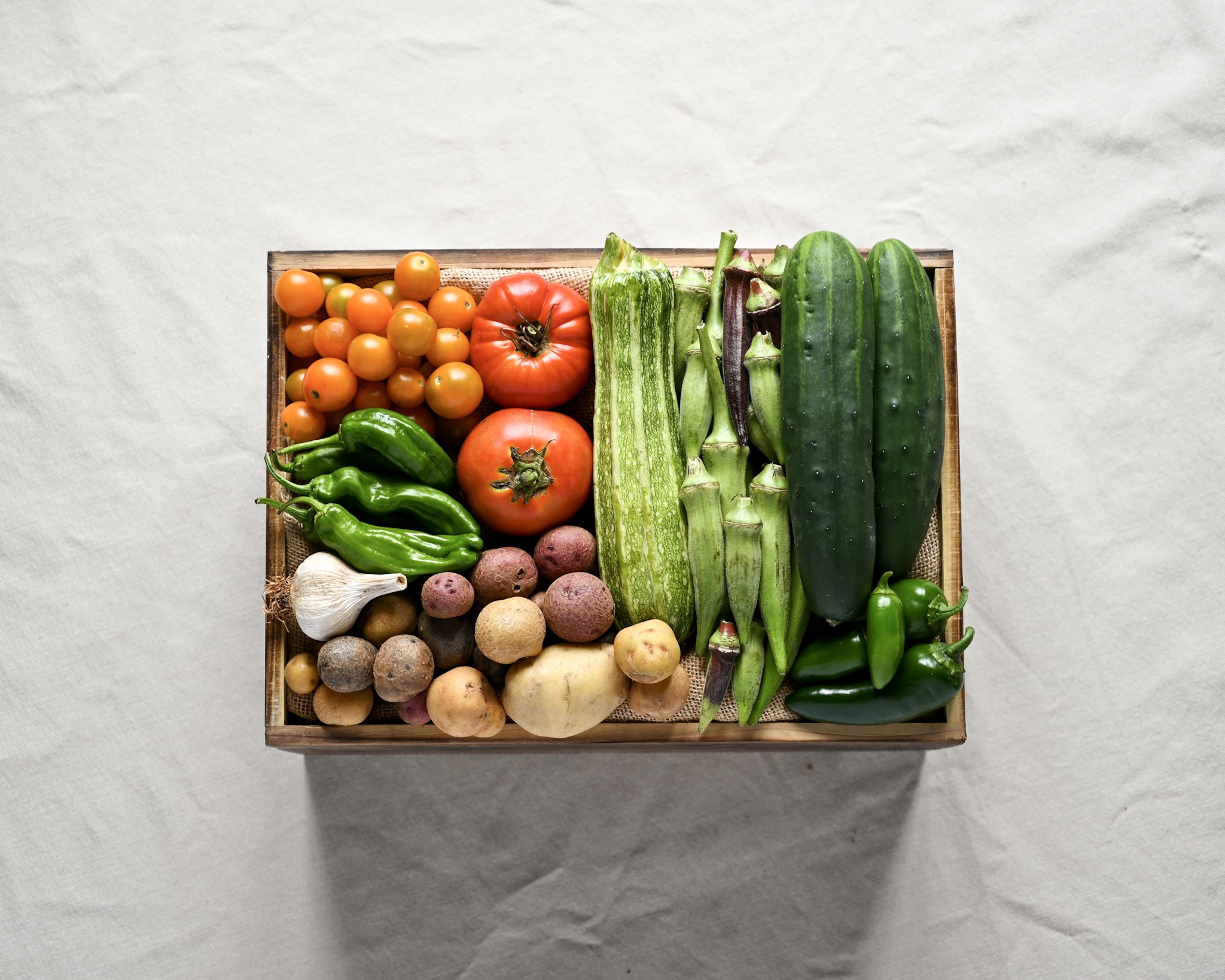
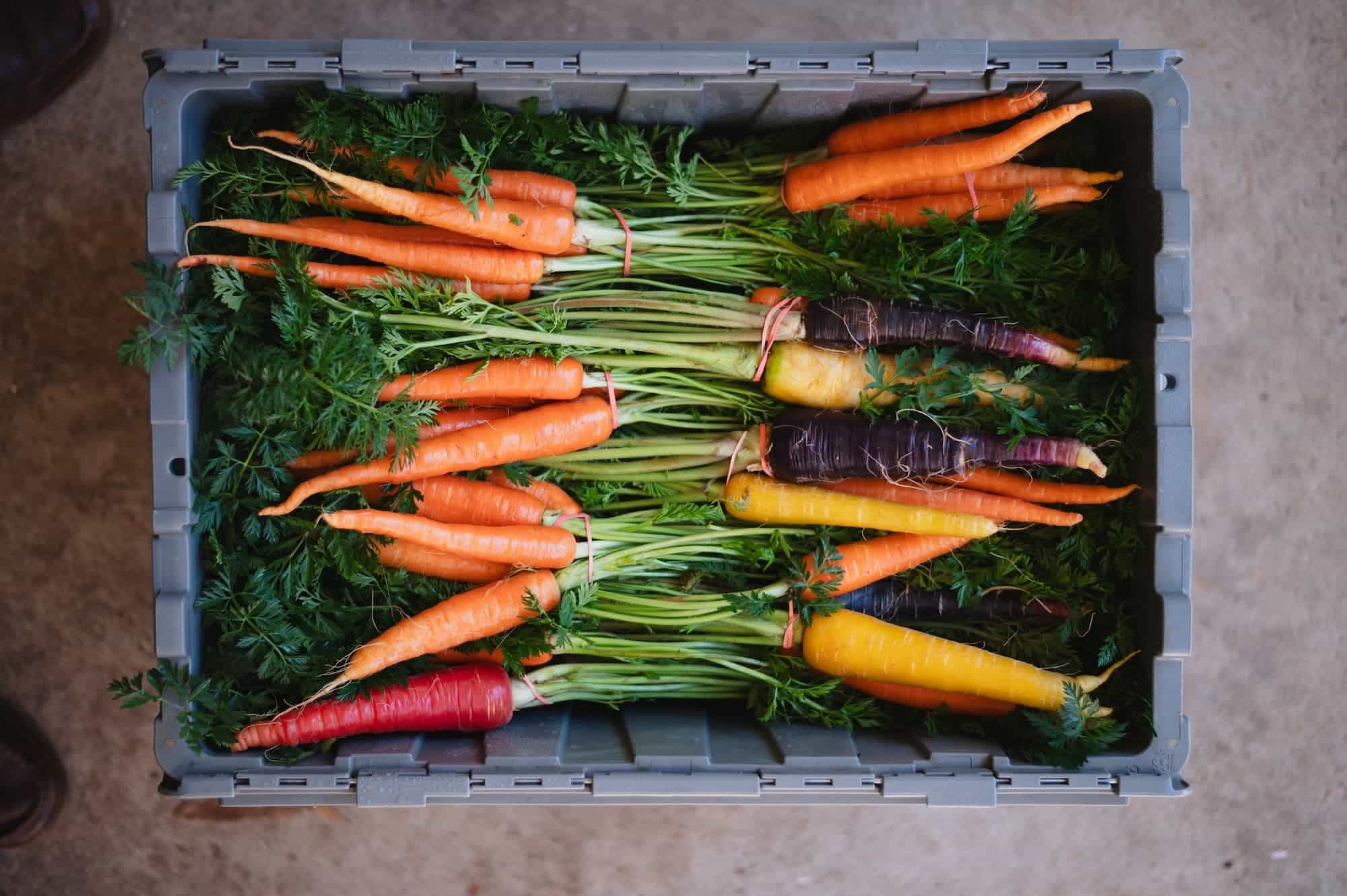
Collective Harvest ran a CSA out of Athens, GA — a weekly box of whatever was coming out of the ground from our 9 member farms, delivered to members who signed up for the season. The box is the product, and the box is also the marketing problem: a cardboard container full of vegetables is not inherently exciting to look at. The job is to make it feel like a meal waiting to happen.
I was doing the photography and the marketing, which meant I was the one trying to figure out what would actually move subscriptions — not a theoretical exercise. We shot outside in the afternoon. Produce laid out, arranged, and rearranged until the framing clicked. The difference between a convincing box shot and a forgettable one is usually ten minutes of fussing with placement.
This was early in my commercial work — 2019, before I had a clear system for this kind of thing. What I had was time and a direct stake in whether the photos worked. Those are decent substitutes.
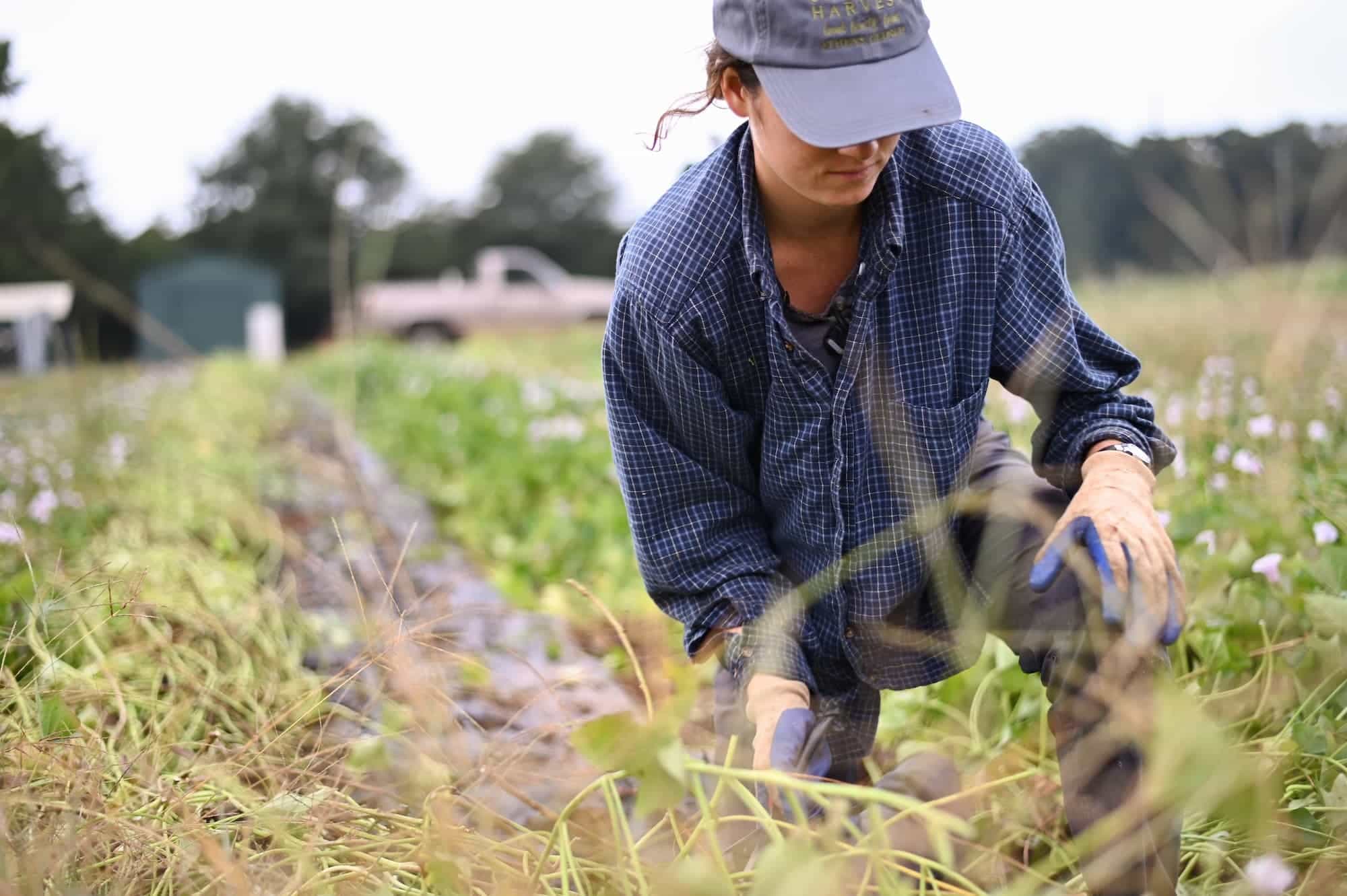
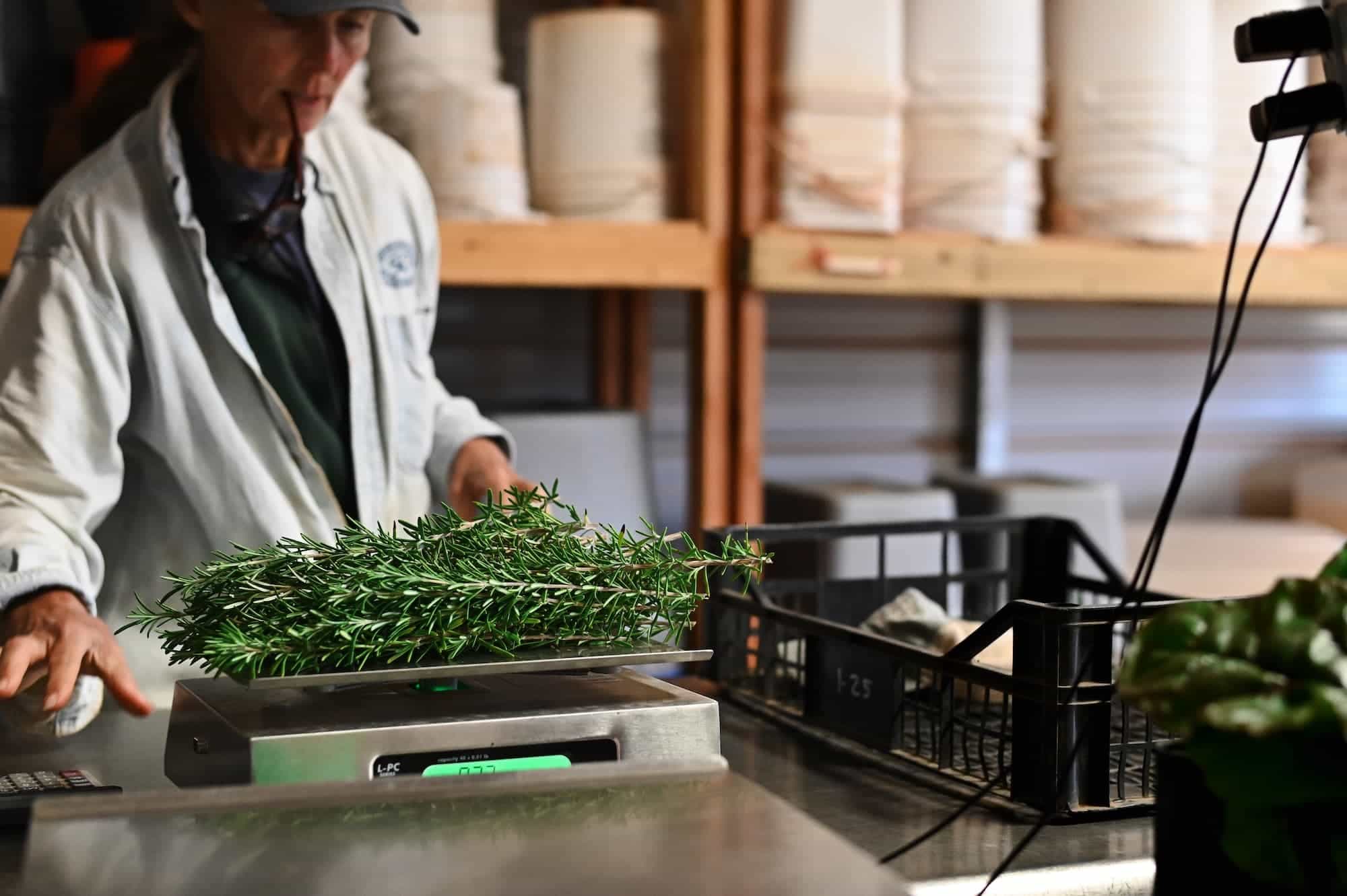
Collective Harvest needed the kind of general marketing content that small farms always need and rarely have: farm lifestyle shots, branded merch on actual people in real places, a few portraits of the people doing the work.
We made it work in a day. Styled setups where it made sense, documentary frames where something was actually happening, merch photographed against whatever the farm offered as background. The best images came from the in-between moments — not the posed stuff, but the things happening anyway while we were setting up the posed stuff.
When you're doing this kind of work to drive your own sales, you pay attention differently. There's no handing it off at the end.